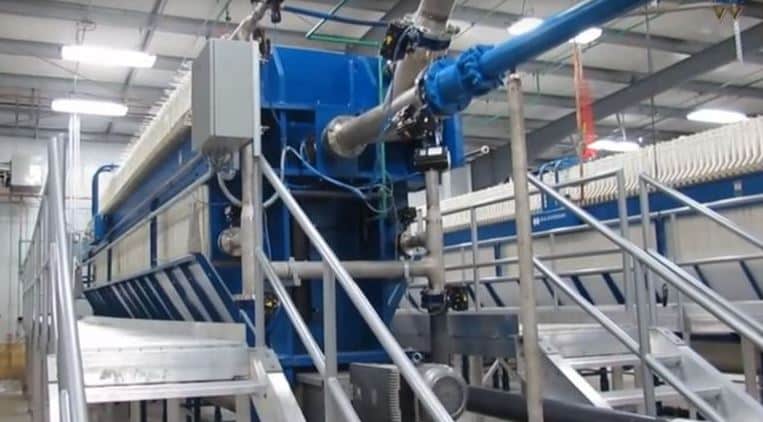
How Membrane Microfiltration is Changing the Face of Industrial Water Treatment

The demand on our water resources for drinking supply, agriculture, industry, and a myriad of other pressures make this a moment on the precipice of a crisis. Thankfully, necessity spurs invention. Advances in membrane microfiltration are revolutionizing the way industrial water filtration is managed by reducing costs while improving effectiveness.

Innovations in Membrane Microfiltration

Industrial water use is a huge component of overall consumption. Membrane-based water technology is currently changing the face of industrial water filtration. With innovations for handling extreme pH and high temperatures, membrane microfiltration can be used in a growing range of wastewater applications. Membrane microfiltration removes unwanted particles that slip through other, more coarse systems like sand filters. A membrane, by definition, allows some particles to pass through while blocking others. The effluent, or “produced” water, that is discharged can be purified for safe re-use at the facility or other industrial applications.
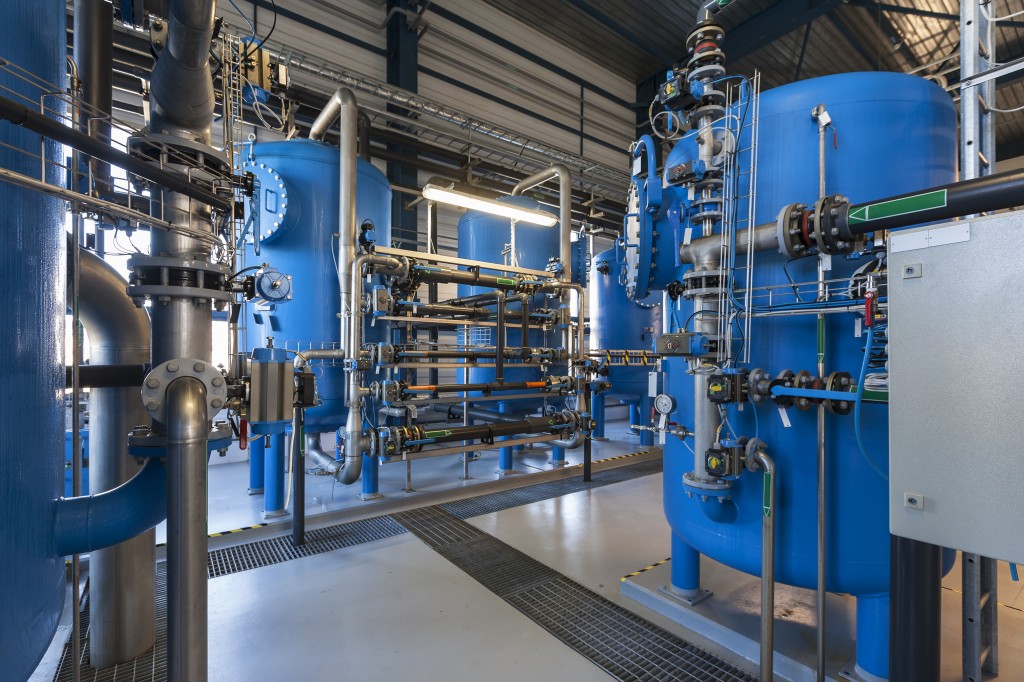
membrane microfiltration

While membrane technology has been around for 30 years, advancements in the last decade have significantly increased its applicability. Reduced energy requirements equate to lower overall operation costs. At the same time, demand for water purification has greatly increased. Using low energy reverse osmosis (RO) allows manufacturers to purify more water more efficiently, both in terms of time and expense. By recycling that water back into the industrial process, overhead costs are further reduced. This makes it an attractive option for project developers in both developed and developing countries alike.

Desalination also presents a potential boom. Places like Israel and Egypt have pioneered the use of desalination with membrane technology and already depend heavily on it. The global market for microfiltration membranes totaled $1.9 billion in 2015. Industry analysts project that the market will swell to $2.6 billion by 2020, a year-over-year growth rate of 6.7% per year. As the market continues to grow and additional innovations develop, costs will continue to be streamlined. The potential for continued growth looks bright for industries that make use of water filtration.

Tubular Membrane Filtration Systems

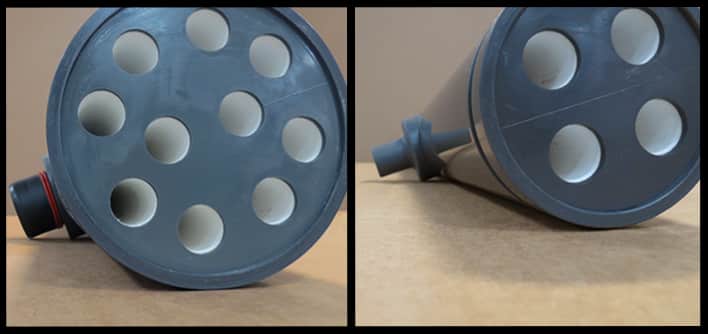
M.W. Watermark is proud to be an official distributor of the Porex® Tubular Membrane Module™. The M.W. Watermark/Porex® Tubular Membrane Module™ is designed to fit new and existing tubular membrane filtration systems.

Visit our Membrane Microfiltration web page to learn more.

Contact a member of our Sales and Service team for a quote.
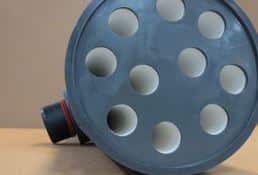
M.W. Watermark Membrane Microfiltration - Porex Tubular Membrane Module TMF 10

About M.W. Watermark

M.W. Watermark wants to make a difference. We are passionate about the world’s water. We are innovative, focused on customer service and always try to exceed expectations. We are an environmentally conscious company with people who are energized, encouraged and inspired to make a difference in the water business, and as a result, make a positive difference to our planet by helping to keep our shared, finite water supply clean and usable for generations to come. We build amazing, custom water and wastewater treatment equipment. We also specialize in rebuilding used water treatment equipment. Together, we can make a difference.

© 2021 M.W. Watermark, L.L.C.
M.W. Watermark is a trademark owned by M.W. Watermark, L.L.C. All rights reserved.
Product names, logos, brands, and other trademarks featured or referred to within this document are property of their respective trademark holders. These trademark holders are not affiliated with M.W. Watermark in any way.

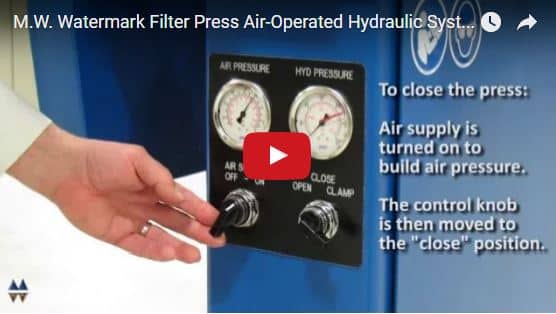
M.W. Watermark Filter Press Air-Operated Hydraulic System

The M.W. Watermark filter press air-operated hydraulic system has been designed for durability, longevity and quick closing, clamping and opening times. 

Our filter presses initially close by simply using 100 psi clean shop air. Once the plates are pushed together using shop air, the hydraulic pump is then switched on to complete the closing process by compressing the plates. Since the hydraulic pump is only needed for the actual clamping, much wear and tear is avoided, giving the hydraulic system a much longer life. After the dewatering process is complete, shop air is then again used to open the press, once again avoiding excessive use of the hydraulic pump.

Because the press can be closed and opened faster, the M.W. Watermark air-operated hydraulic system leads to greater production efficiencies.

Click below to watch a video on our Hydraulic Systems web page and learn more.

M.W. Watermark Filter Press Air-Operated Hydraulic System

About M.W. Watermark

M.W. Watermark wants to make a difference. We are passionate about the world’s water. We are innovative, focused on customer service and always try to exceed expectations. We are an environmentally conscious company with people who are energized, encouraged and inspired to make a difference in the water business, and as a result, make a positive difference to our planet by helping to keep our shared, finite water supply clean and usable for generations to come. We build amazing, custom water and wastewater treatment equipment. We also specialize in rebuilding used water treatment equipment. Together, we can make a difference.

© 2021 M.W. Watermark, L.L.C.
M.W. Watermark is a trademark owned by M.W. Watermark, L.L.C. All rights reserved.
Product names, logos, brands, and other trademarks featured or referred to within this document are property of their respective trademark holders. These trademark holders are not affiliated with M.W. Watermark in any way.

How to Know When to Replace Your Filter Cloths

If you’re in a business where part of your industrial process involves separating solids and liquids, you’re most likely familiar with the filter press.

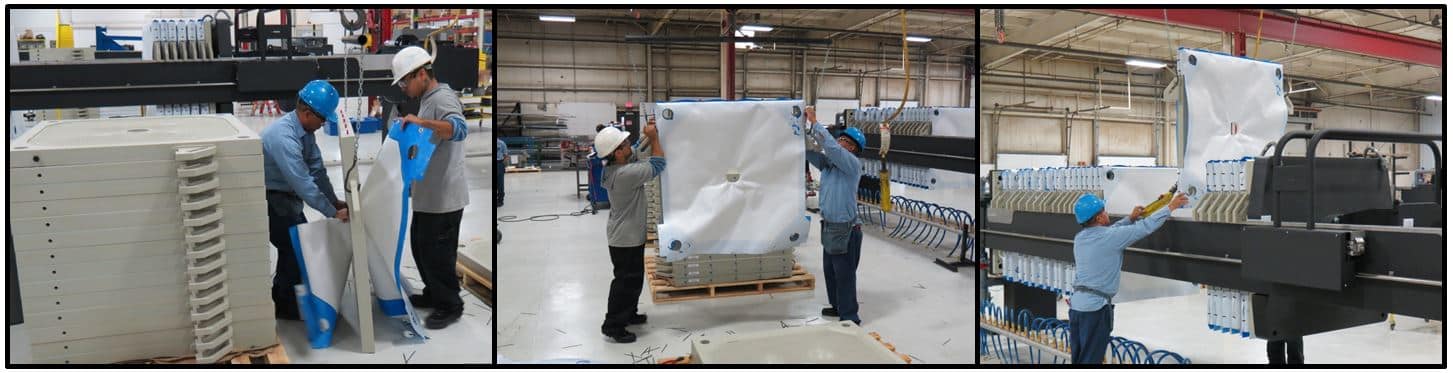
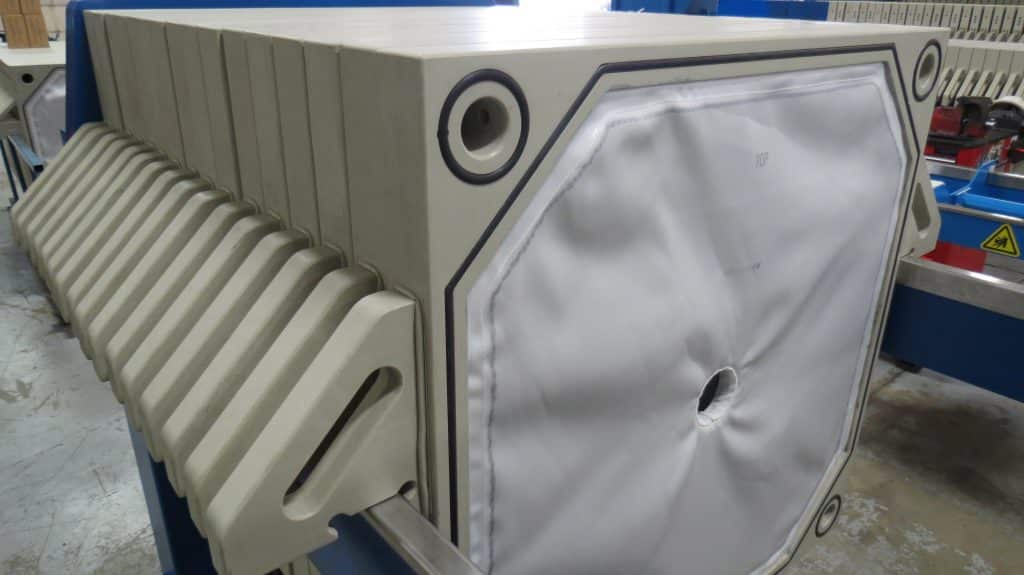
Filter cloths are a necessary component of the filter press. They form the first contact point with the particulate matter in the unfiltered slurry. Once the first particles make contact with the fabric, however, the majority of the filtration is provided by the accumulation of captured particles themselves, which form a “cake” in the chamber.

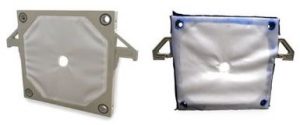
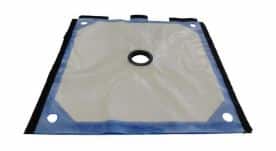
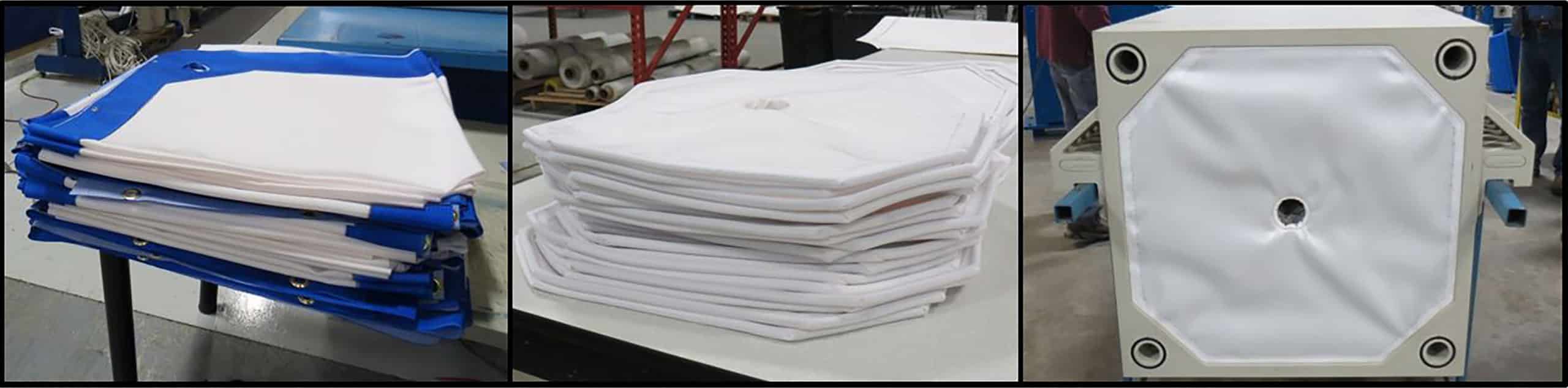
M.W. Watermark Filter Cloths

The porosity of the filter cloth weave is critical to the filtration process. Understanding that it is the material’s permeability that allows for the filter press to function will go a long way towards understanding when (and why) you need to maintain or replace it.

Different filter cloths are made of different material, and both the type and weave of the sheet will determine how it performs. A monofilament fiber is an indivisible strand of usually synthetic material whereas a “spun” or multifilament textile consists of many strands twisted together, as with a length of rope.

Monofilament cloth is easier to clean because of its low particle retention, and a pressure washer set to no more than 1,000 psi and using a fan pattern can work well.

Spun fabric provides for a higher particle retention rate. However, the higher retention rate means that this fabric may be more prone to fouling.

There are also hybrids that are woven out of a blend of both fibers. Many operations prefer this combination as the best of both worlds.

M.W. Watermark - How to Know When to Replace Your Filter Cloths - A Solid Filter Cake Means Your Filter Press is Operating at Peak Efficiency
A Solid Cake Means Your Filter Press is Operating at Peak Efficiency

Filter cloths need replacement when your filter press is no longer forming a solid cake.

To know when your filter cloths need replacement, pay attention to your machine’s output. If you see low pressure despite cleaning, then it is likely that the permeability is too low. After many uses, the particles get lodged so deep in the fabric that neither cleaning nor even chemical washing is worth the time.

If you see impurities in the output and insufficient caking, then your fabric is likely too porous as a result of stretching or warping in the weave, and you should begin to look for a replacement. Remember, because you put these parts through the ringer, they’ll need replacing from time to time.

Visit the M.W. Watermark Filter Cloths webpage to learn more.

Contact a member of our Sales & Service team to discuss your filter cloths requirements.

About M.W. Watermark

M.W. Watermark wants to make a difference. We are passionate about the world’s water. We are innovative, focused on customer service and always try to exceed expectations. We are an environmentally conscious company with people who are energized, encouraged and inspired to make a difference in the water business, and as a result, make a positive difference to our planet by helping to keep our shared, finite water supply clean and usable for generations to come. We build amazing, custom water and wastewater treatment equipment. We also specialize in rebuilding used water treatment equipment. Together, we can make a difference.

© 2021 M.W. Watermark, L.L.C.
M.W. Watermark is a trademark owned by M.W. Watermark, L.L.C. All rights reserved.
Any third party trademarks referenced on this site are the trademarks of their respective owners, and M.W. Watermark makes no claim to such marks and is not affiliated with such companies.

Microfiltration Compared with Alternative Filtering Systems

In today’s regulatory climate, it is important for potential buyers to understand the differences between the various types of filtration systems. Microfiltration, just like all of the other systems, has a specific set of scenarios that stand as the best option. Understanding the differences between different types of water and wastewater treatment equipment is an excellent way to help make the best investment, for purposes of safety, quality and financial returns.

Explaining Water Filtration

The majority of modern filtration systems have a number of things in common, the most important of which is the use of a membrane. Such a membrane can exist in many forms, but all forms consist of a plastic or polymer material perforated with a large number of extremely small pores. These pores are large enough to allow water through, and yet small enough to halt the flow of foreign materials. The main difference between microfiltration and the other types, then, is the size of these pores, and thus the types of materials it is best suited to remove. The other common factor is the use of pressure to push contaminated water through the membrane into a chamber that consists of purified water.

Alternatives to Microfiltration

The most widely used alternatives to microfiltration are considered to be reverse osmosis, ultrafiltration and nanofiltration. The primary difference between these processes is the size of the pores in the membrane, which means that each type is best suited to filtering different kinds of materials. For a quick explanation: Microfiltration is well-suited to trap bacteria; ultrafiltration is great for removing some viruses as well as other biomaterials such as proteins; and ultrafiltration and reverse osmosis are strong choices for the deep removal of viruses, chemicals, saline, and other tiny particles.

Relative Benefits of Microfiltration

While a purchaser’s choice depends greatly on what type of material needs to be filtered, there are other factors to consider. Generally speaking, microfiltration requires very little maintenance or chemical assistance.

Overall, the decision to use any of these types of filtration systems depends on an analysis of business needs and pragmatic concerns. Feel free to contact M.W. Watermark with any questions.

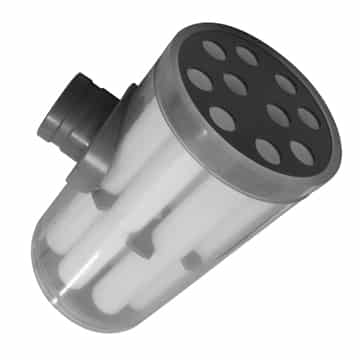
M.W. Watermark is proud to be an official distributor of the Porex® Tubular Membrane Module™. The M.W. Watermark/Porex® Tubular Membrane Module™ is designed to fit new and existing tubular membrane filtration systems.

M.W. Watermark/Porex® Tubular Microfiltration Membrane Module™ TMF 10
M.W. Watermark/Porex® Tubular Membrane Module™ TMF 10

Visit our Membrane Microfiltration web page to learn more.

Contact a member of our Sales and Service team for a quote.

About M.W. Watermark

M.W. Watermark wants to make a difference. We are passionate about the world’s water. We are innovative, focused on customer service and always try to exceed expectations. We are an environmentally conscious company with people who are energized, encouraged and inspired to make a difference in the water business, and as a result, make a positive difference to our planet by helping to keep our shared, finite water supply clean and usable for generations to come. We build amazing, custom water and wastewater treatment equipment. We also specialize in rebuilding used water treatment equipment. Together, we can make a difference.

© 2021 M.W. Watermark, L.L.C.
M.W. Watermark is a trademark owned by M.W. Watermark, L.L.C. All rights reserved.
Product names, logos, brands, and other trademarks featured or referred to within this document are property of their respective trademark holders. These trademark holders are not affiliated with M.W. Watermark in any way.

Studies Indicate Proper Wastewater Treatment Reduces Antibiotic Resistant Bacteria

It’s not a secret that the number of antibiotic-resistant bacteria is on the rise. The majority of these strands can be found in the sewage lines of hospitals where approximately one-third of the patients are on some form of antibiotic. Shockingly, these strains are not just immune to traditional medications, but also to the newer designer drugs.

Study Findings

Due to the growing trend, National University of Ireland researchers initiated a study on how wastewater treatment played a role in overcoming the rise of antibiotic-resistant strands. The project’s outcome notes that current treatment programs successfully reduce the amount of microbes that make it from the sewer to the environment. However, additional treatment strategies will be necessary to eliminate the problem completely.

The antibiotic resistant strands are not isolated to Ireland. This problem exists around the world. A project recently conducted by the University of Georgia showed that samples drawn from 11 locations from nine different streams found eight points of contamination despite wastewater treatment prior to discharge into the environment.

The University of Colorado found similar contaminants from streams and water sources in their area. Each sample was tested for bacteria. Contaminated samples were then treated with various types of antibiotics. Sadly, they found several areas containing strands resistant to those antibiotics as well.

M.W. Watermark Water and Wastewater Treatment

Wastewater Treatment Options

Despite there being contamination in several water systems, treatment prior to discharge does work. Universities and surrounding principalities are working to increase the effectiveness of the current treatment systems.

Current methods used, especially by hospitals, include reverse osmosis and ozonation. When combined with activated carbon, these methods significantly reduce the amount of antibiotic resistant bacterial strands. However, the sludge that is often found along with the water poses additional problems.

Researchers believe this sludge is the culprit of spreading contamination from the hospitals to the environment. Further treatment to help reduce bacterial contamination in the sludge is necessary. The filtration of sediment could help remove residual contaminants.

By removing as many contaminants as possible from wastewater, the impact of antibiotic resistant bacteria is significantly reduced. Filtration, activated carbon, ozonation, and control of the leftover sludge all play a part in keeping the ecosystem safe from contaminants.

Learn more about M.W. Watermark wastewater treatment products on our website. 

Contact our Sales and Service team for a quote.

For regular updates from M.W. Watermark, follow us on LinkedIn.

About M.W. Watermark

M.W. Watermark wants to make a difference. We are passionate about the world’s water. We are innovative, focused on customer service and always try to exceed expectations. We are an environmentally conscious company with people who are energized, encouraged and inspired to make a difference in the water business, and as a result, make a positive difference to our planet by helping to keep our shared, finite water supply clean and usable for generations to come. We build amazing, custom water and wastewater treatment equipment. We also specialize in rebuilding used water treatment equipment. Together, we can make a difference.

© 2021 M.W. Watermark, L.L.C.
M.W. Watermark is a trademark owned by M.W. Watermark, L.L.C. All rights reserved.
Product names, logos, brands, and other trademarks featured or referred to within this document are property of their respective trademark holders. These trademark holders are not affiliated with M.W. Watermark in any way.

Water Research Foundation Celebrates 50 Years of Wastewater Treatment Research

Since 1966, the Water Research Foundation has risen to the challenge of helping companies and principalities maintain clean and reliable water supplies. In the last 50 years, the Foundation has completed more than 1,000 studies, including studies on wastewater treatment.

Water Research Foundation Research Program Areas

The Water Research Foundation works with over 1,000 subscribers in three programs: Focus Area, Emerging Opportunities, and Tailored Collaboration. Each program is designed to help subscribers complete their research within the time frame or target region.

Of the three programs areas, the Foundation spends over half of their annual budget on the Focus Area program. This segment enables subscribers to address relevant issues on a broad scale. These projects typically span several years and include a review of existing research and research needs. The biggest area covered by the Focus Area Program is wastewater treatment plans, including current research on integrating process management for drinking water and treatment options.

When it comes to the Emerging Opportunities Program, subscribers can get the research assistance they need even if the project is time-critical. Research projects that need to be completed within three to 12 months, or those whose topic includes potential effects on human health, have priority for co-funding.

The Foundation’s Tailored Collaboration Program works directly with utility subscribers. Research projects covered by this program are typically specialized to the region in which the subscriber is located. Utilities often work with the Foundation to take advantage of the independent review process provided by the Research Foundation.

Wastewater Treatment - M.W. Watermark

Examples of Wastewater Treatment Research Completed

There have been many successful research projects leading to innovations in water treatment. One example is how the Foundation’s research helped the Milwaukee Water Works create a new filtration and disinfestation system.

At the time, the Milwaukee Water Works had recently experienced a Cryptosporidium event resulting in an advisory for all residents to boil their water. The Water Research Foundation had been funding research on how ozone can be used to disinfect wastewater. With this information in hand, The Milwaukee Water Works was able to refit their filtration system in order to include ozone in the process.

Learn more about M.W. Watermark wastewater treatment products on our website. 

Contact our Sales and Service team for a quote.

For regular updates from M.W. Watermark, follow us on LinkedIn.

About M.W. Watermark

M.W. Watermark wants to make a difference. We are passionate about the world’s water. We are innovative, focused on customer service and always try to exceed expectations. We are an environmentally conscious company with people who are energized, encouraged and inspired to make a difference in the water business, and as a result, make a positive difference to our planet by helping to keep our shared, finite water supply clean and usable for generations to come. We build amazing, custom water and wastewater treatment equipment. We also specialize in rebuilding used water treatment equipment. Together, we can make a difference.

© 2021 M.W. Watermark, L.L.C.
M.W. Watermark is a trademark owned by M.W. Watermark, L.L.C. All rights reserved.
Product names, logos, brands, and other trademarks featured or referred to within this document are property of their respective trademark holders. These trademark holders are not affiliated with M.W. Watermark in any way.

Rock Solid Wastewater Recycling for Stone Fabrication

The average stone fabrication shop produces much more than just countertops and polished stone surfaces. Processes like cutting and polishing also produce a lot of wastewater. Oversights with disposal can lead to compliance fines, and the regulations around contaminants and particulate matter always seem to be getting tighter.

M.W. Watermark provides wastewater treatment equipment for the stone finishing and fabrication industry.

Installing Wastewater Treatment Equipment Can Eliminate the Risk of Fines and Also Reduce Costs

Passive bag filter systems have a lower upfront cost, but they aren’t nearly as efficient as wastewater treatment equipment that can be scaled based on the size of an operation.

M.W. Watermark’s slant plate clarifiers remove particulate matter from large volumes of water with a minimal amount of floor space. We also offer filter presses in a full range of capacities, which can be customized to best suit the volume of your specific operation.

M.W. Watermark Inclined Plate Clarifiers for Stone Fabrication Wastewater Treatment
For stone fabricators, waste sludge generally can be discarded with the trash. This avoids the potential for fines that come along with disposing of wastewater in the local environment or a city’s sewage system. However, utilizing wastewater treatment equipment can not only save on the costs associated with disposal but also eliminates the continual need for clean water. In some processes, the sediment or sludge created by a process can be used elsewhere. The dehydrated sediment created following lime usage can be used for stabilization of roads, among many other uses.

Advantages of Recycling Wastewater

Instead of running up your water bill, you can recycle your own processed wastewater. While all water eventually needs to be replaced with any wastewater treatment process, replacing water on a case-by-case basis is far more cost-effective than a flow-though system, which can discharge hundreds of gallons a day. Recycling is particularly advantageous for businesses without access to large volumes of clean water. Stone fabrication shops in rural settings, for example, may rely on wells and other sources that cannot provide an adequate volume of water for large-scale production.

M.W. Watermark New and Rebuilt Filter Presses for Stone Fabrication Wastewater Treatment
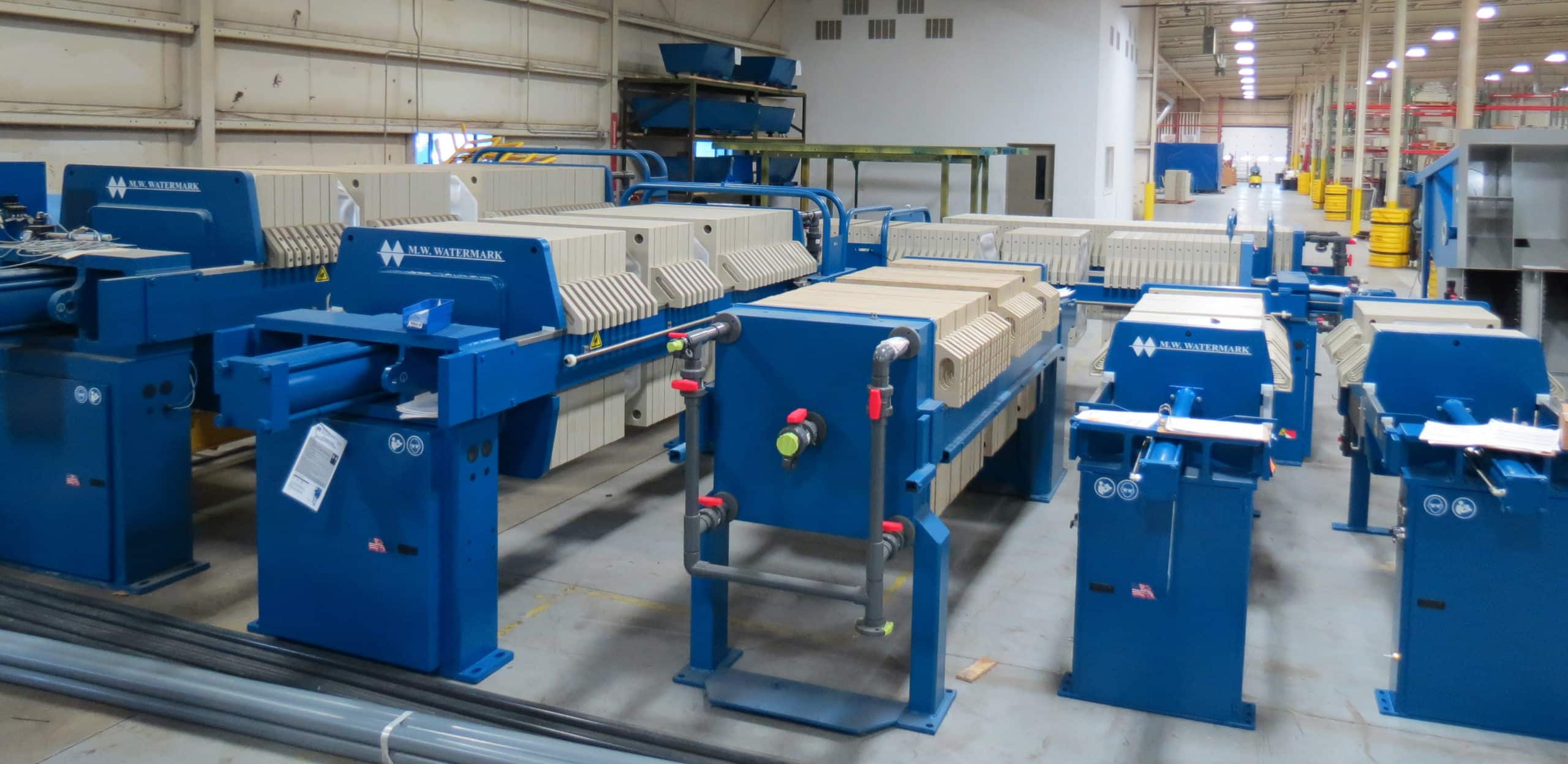
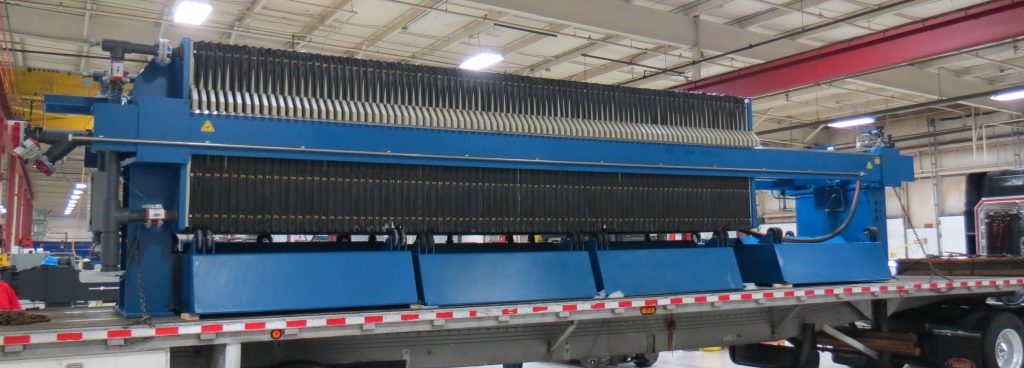
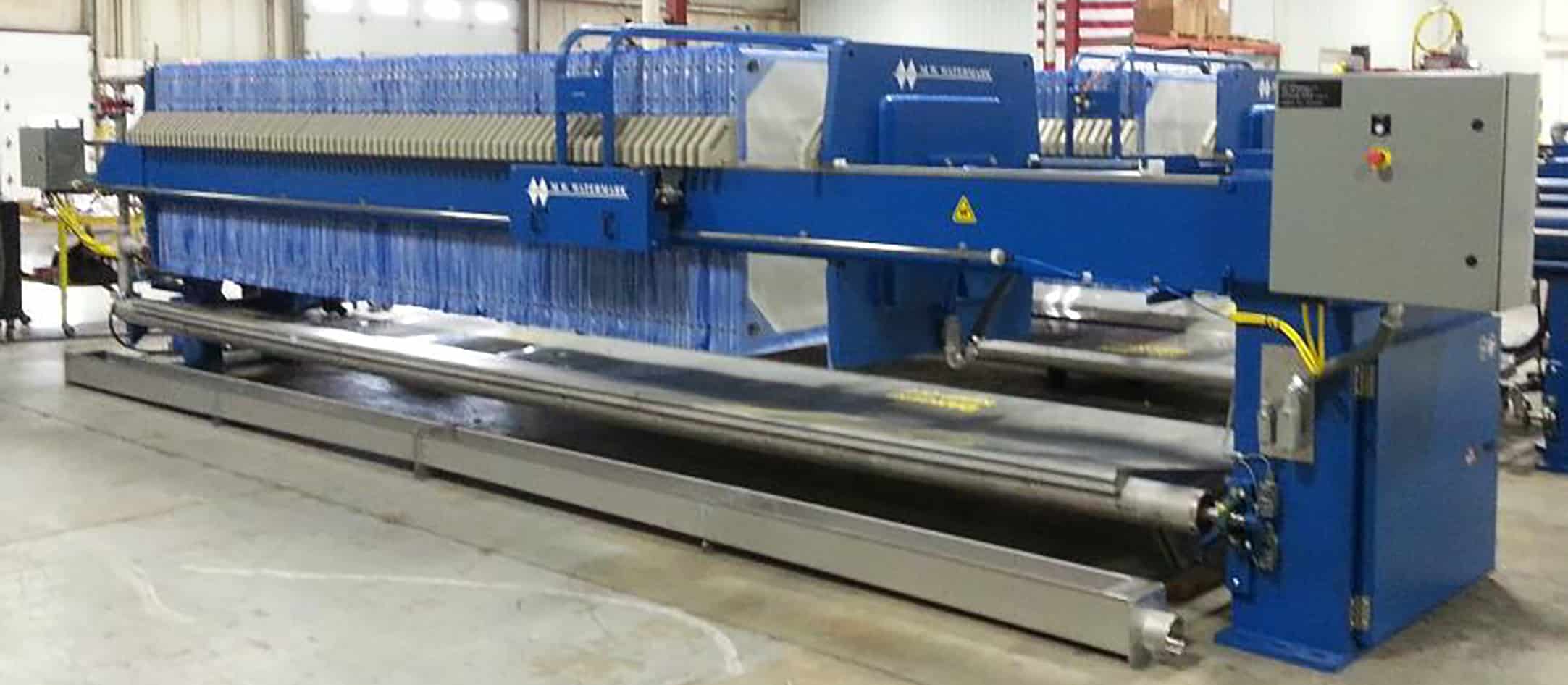
M.W. Watermark new and rebuilt filter presses.

Using a filter press to reduce and recycle wastewater is also a beneficial way of cutting costs associated with a project. For many industries, which rely heavily on water, the cost of usable water alone can become a major expenditure. There are also a variety of environmental fees and regulations, which can increase the price of water if it is not being recycled.

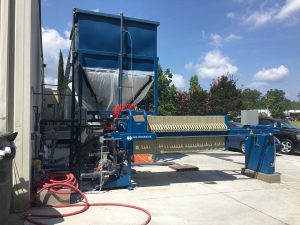
A M.W. Watermark filter press was recently installed for wastewater treatment at a stone counter top cutting facility

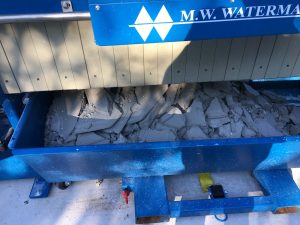
Filter cake from a stone counter top cutting operation, utilizing a M.W. Watermark filter press for wastewater treatment
Filter cake from a stone counter top cutting operation, utilizing a M.W. Watermark filter press for wastewater treatment.
Contact Us Today

With a commitment to making the best possible use of our planet’s finite water supply, the team at M.W. Watermark provides wastewater treatment equipment tailored to the needs of your business. We also offer rebuilt filter presses for businesses interested in maximizing ROI with a lower initial cost. Contact our team to learn more.

Visit our Stone Fabrication Wastewater Treatment webpage.

About M.W. Watermark

M.W. Watermark wants to make a difference. We are passionate about the world’s water. We are innovative, focused on customer service and always try to exceed expectations. We are an environmentally conscious company with people who are energized, encouraged and inspired to make a difference in the water business, and as a result, make a positive difference to our planet by helping to keep our shared, finite water supply clean and usable for generations to come. We build amazing, custom water and wastewater treatment equipment. We also specialize in rebuilding used water treatment equipment. Together, we can make a difference.

© 2021 M.W. Watermark, L.L.C.
M.W. Watermark is a trademark owned by M.W. Watermark, L.L.C. All rights reserved.
Product names, logos, brands, and other trademarks featured or referred to within this document are property of their respective trademark holders. These trademark holders are not affiliated with M.W. Watermark in any way.

Microfiltration Membrane Cleaning 101

Microfiltration membranes have become one of the most promising technologies for water treatment. Other technologies from the past century have focused on neutralizing pathogens, removing contaminants, and improving the visible clarity of water. Membrane microfiltration and ultrafiltration are promising because they physically remove microbes and other particulates, but they are both susceptible to fouling.

M.W. Watermark Membrane Microfiltration - TMF 10 Tubular Module
TMF 10 Tubular Module

Reasons for the Limited Information

Not much universal information is available regarding the cleaning of membranes. This is partially because many of the specialized cleaning chemicals are proprietary, and protocols vary according to the recommendations of each manufacturer. In addition, the reasons for fouling vary depending on the local environment and local water quality issues. Broad categories of membrane fouling include inorganic scaling, particles and colloids, microbial fouling and organic fouling.

Considerations with Chemical Cleaning for Membrane Microfiltration

When managing the cleaning of a membrane microfiltration system, it’s important to consider the interaction between the membrane material, the fouling contaminants and the cleaning chemicals. Fouling materials gradually obstruct the flow by occlusion, but they can also have electrostatic interactions with the filter. Hydrophobic interactions can also cause an attraction between the solutes and the membrane. An increase in pH, polarity, and charge density can promote an increase in electrostatic repulsion, which can be helpful in the cleaning process, separating the fouling materials from the membrane.

Types of Cleaning Chemicals

Caustic chemicals like sodium hydroxide (NaOH) can be used to promote solubilization and hydrolysis. Sodium hypochlorite (NaOCl) is one of several oxidants that can be used for oxidation and disinfection. Other oxidants or disinfectants include H2O2 and peroxyacetic acid. Citric acid and nitric acids are used for solubilization. Citric acid and ethylenediaminetetraacetic acid (EDTA) are both chelating agents. Finally, a variety of surfactants and detergents are used for cleaning by means of surface conditioning, dispersion and emulsifying.

The Importance of Thorough Analysis

Ultimately, there is no one-size-fits-all solution when it comes to cleaning membrane microfiltration systems. Some membranes are chosen for their higher chemical tolerance thresholds, which allows greater freedom in selecting cleaning chemicals. The sensitivity of a membrane can also impact the potential concentration of cleaning solvents and the frequency with which cleaning become necessary.

For professional consultation and improved efficiency, ask about M.W. Watermark’s field service contracts.

Learn more by visiting our membrane microfiltration webpage.

About M.W. Watermark

M.W. Watermark wants to make a difference. We are passionate about the world’s water. We are innovative, focused on customer service and always try to exceed expectations. We are an environmentally conscious company with people who are energized, encouraged and inspired to make a difference in the water business, and as a result, make a positive difference to our planet by helping to keep our shared, finite water supply clean and usable for generations to come. We build amazing, custom water and wastewater treatment equipment. We also specialize in rebuilding used water treatment equipment. Together, we can make a difference.

© 2021 M.W. Watermark, L.L.C.
M.W. Watermark is a trademark owned by M.W. Watermark, L.L.C. All rights reserved.
Product names, logos, brands, and other trademarks featured or referred to within this document are property of their respective trademark holders. These trademark holders are not affiliated with M.W. Watermark in any way.

Application Spotlight: Wastewater Treatment Equipment for Bottling Water

Conserving the world’s water and using it efficiently are important goals. Wastewater treatment equipment is a crucial component for ensuring conservation and responsible use of water. Bottling nature’s filtered water in an environmentally responsible way is important for the owner of Waiakea Hawaiian Volcanic Water.

M.W. Watermark Wastewater Treatment Equipment

A Passion for Water

The CEO of Waiakea Hawaiian Volcanic Water is Ryan Emmons. This graduate of the University of Southern California has been driven to succeed as an entrepreneur, so much so that he graduated early to initiate his own bottled water company.

With a personal history that includes significant time spent in the Hawaiian Islands, Emmons was driven to explore water and the many facets of this natural resource. He recognized a niche in the bottled water industry, and succeeded in capitalizing on it to not only manufacture a premium beverage, but to work to preserve the environment at the same time.

A special filtering process that borrows some technology from wastewater treatment equipment sends this water through 14,000 feet of volcanic rock, which actually enriches the water thanks to the special volcanic filtration. The water bottles themselves are also 100 percent post-consumer recycled plastic. With a sustainable natural resource for the bottled water, the company can even share this resource with people in Africa. For every liter of water purchased by consumers, Emmons’ company donates 650 liters of water to Africa via special elephant pumps that have been installed on site.

Future Plans

Exciting expansions are also in the works for Waiakea Hawaiian Volcanic Water. In addition to the clean drinking water, the company will also donate 325 liters of water suitable for not only drinking and cooking, but also for bathing. With retailing expansions to more eateries and even some resorts, the company is hopeful about these new social initiatives.

The combination of improving human health while minimizing harm to the environment through responsible wastewater treatment equipment or similar natural processes has resulted in a huge win for communities around the world, not just in the United States.

About M.W. Watermark

M.W. Watermark wants to make a difference. We are passionate about the world’s water. We are innovative, focused on customer service and always try to exceed expectations. We are an environmentally conscious company with people who are energized, encouraged and inspired to make a difference in the water business, and as a result, make a positive difference to our planet by helping to keep our shared, finite water supply clean and usable for generations to come. We build amazing, custom water and wastewater treatment equipment. We also specialize in rebuilding used water treatment equipment. Together, we can make a difference.

© 2021 M.W. Watermark, L.L.C.
M.W. Watermark is a trademark owned by M.W. Watermark, L.L.C. All rights reserved.
Product names, logos, brands, and other trademarks featured or referred to within this document are property of their respective trademark holders. These trademark holders are not affiliated with M.W. Watermark in any way.

How Filter Cloth Media Selection Affects Performance

M.W. Watermark Filter Cloths: Non-Gasketed (NG) Filter Cloth with Latex EdgingM.W. Watermark™ manufactures filter cloths for all makes and models of filter presses. Filter cloths can be sewn to the exact specifications of your filter press, providing for a perfect fit. All cloths are made in the U.S.A. in our facility in Holland, Michigan.


Types of Filter Cloth Media

The performance of filter cloth media is a function of fiber properties, fabric construction and finishes. M.W. Watermark can recommend the most effective cloth solution to meet your requirements for flow rate, filtrate clarity and cake release.

M.W. Watermark Filter Cloths: Mono-Filament Filter ClothMono-Filament Cloth

These fibers are single, smooth extrusions. “Mono” cloths have excellent cake release characteristics and resistance to blinding. This style also has lower particle retention. The fibers are similar to monofilament fishing line, with higher strength for heavy filter cake.


M.W. Watermark Filter Cloths: Multi-Filament Filter ClothMulti-Filament Cloth

These fibers vary in size, but are grouped together in a single strand. While “Mono” fibers are compared to fishing line, with “Multi-Filament” threads, think “yarn.” The main benefit of multi-filament fibers is higher particle retention during initial filtration.


M.W. Watermark Filter Cloths: Mono-Multi Filter ClothMono-Multi Cloth

This blend of both types of fibers is extremely popular, as it encompasses benefits from both types of thread: strength from the mono-fiber, and particle capture from the multi-fiber.


Filter Cloth Materials

Filter cloths come in many different materials including polypropylene, polyester, cotton, nylon, felt, and many other types. The most common filter materials include:

M.W. Watermark Polypropylene Filter ClothPolypropylene

Polypropylene is the most common material for filter cloths. It has strong resistance to acid and alkali alike. A satin finish can be added to the fiber to allow for easy cake release. “PP” is a top choice for a wide range of applications, and is by far the most popular material.


M.W. Watermark Polyester Filter ClothPolyester

Often chosen when sustained operating temperatures are over 180 degrees, or when oxidizing agents are present.


M.W. Watermark Nylon Filter ClothNylon

This durable fiber is often chosen for its long life in the face of abrasives. Though higher in cost, nylon blends offer a durability that often justifies the increased cost.


Standard and Custom Filter Press Cloths. Manufactured by M.W. Watermark and Delivered Quickly.

Visit our filter cloths webpage to learn more.

Contact an M.W. Watermark Sales and Service Team member to discuss the ideal filter cloth media and material for your particular filter press application.

Share on Facebook

About M.W. Watermark

M.W. WATERMARK wants to make a difference. We are passionate about the world’s water. We are innovative, focused on customer service and always try to exceed expectations. We are an environmentally conscious company with people who are energized, encouraged and inspired to make a difference on our planet by helping to keep our shared, finite water supply clean and usable for generations to come. We build amazing, custom water and wastewater treatment equipment. Together, we can make a difference.

© 2021 M.W. Watermark, L.L.C.
M.W. Watermark is a trademark owned by M.W. Watermark, L.L.C. All rights reserved.
Any third party trademarks referenced on this site are the trademarks of their respective owners, and M.W. Watermark makes no claim to such marks and is not affiliated with such companies.

Wastewater Treatment Equipment: Industries and Applications

M.W. Watermark Wastewater Treatment Equipment: Industries and Applications

M.W. Watermark’s wastewater treatment equipment has been successfully integrated into various commercial, industrial and municipal applications.

Below is an overview of just a few of the industries and applications we have experience in. We invite you to visit the Industries and Applications section of our website to see more.

Contact our Sales and Service Team to discuss your particular application.

Concrete Wastewater Recycling

M.W. Watermark provides concrete production companies with sustainable concrete wastewater treatment equipment solutions that allow them to recycle nearly 100 percent of their wastewater.

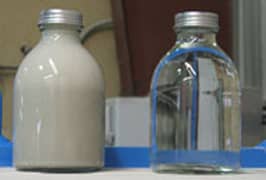
A filter press system separates cement particles from washout water and the recycled water can be reused to blend new concrete. The filtrate is free of solids and excess reusable water can be easily disposed.

Success Story: Osborne Concrete Company

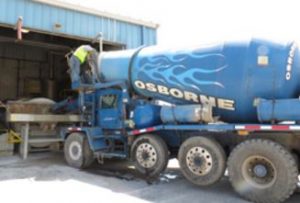
We recently worked with Osborne Concrete Company, a Michigan-based ready-mixed concrete company that now uses a filter press to recycle the water used to clean out their trucks. The addition of a filter press into their current wastewater recycling process allowed them to re-use the water to make more concrete or to wash trucks.

M.W. Watermark - Wastewater Treatment Equipment: Industries and ApplicationsM.W. Watermark - Wastewater Treatment Equipment: Industries and Applications

Read the full Osborne Concrete Company case study.

Visit our Concrete Wastewater Recycling webpage for more information.

Car and Truck Wash – Wastewater Treatment

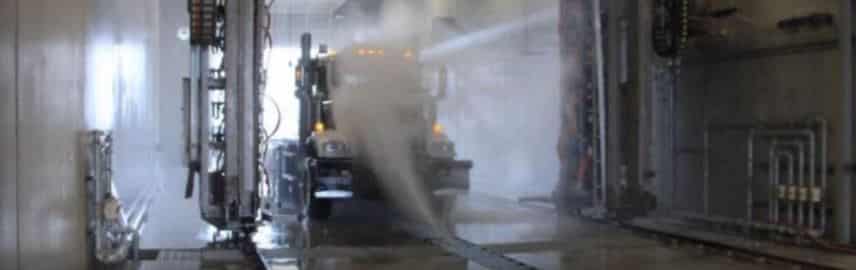
Whether you’ve owned a car or truck wash for decades, are planning an expansion, or are interested in cutting costs, water recycling and reusing wastewater has numerous benefits for your business.

M.W. Watermark - Wastewater Treatment Equipment: Industries and Applications

As water restrictions increase to combat waning resources, it’s a smart idea to consider recycling water to combat costs, sewer availability issues, environmental impact, and limitations caused by drought.

While there are many ways to begin reusing your wastewater, one of the easiest and most efficient upgrades to make is to begin using a filter press.

Visit our Car and Truck Wash Wastewater Treatment webpage to learn more.

Sustainable Lime Softening Solutions

M.W. Watermark filter presses have been used in the lime softening process. After the water is softened by the use of lime, the precipitated solids must be removed before the water can be used for drinking.

By using a filter press, lime slurry generated in clarifiers can be dewatered using pressure filtration.

The resulting filter cake, consisting primarily of lime, can then be easily disposed of or even used by farmers as a soil amendment. The clear filtrate, or liquid, that results from this process is ready for the next step in the water treatment process.

Success Story: Aqua America

M.W. Watermark partnered with Aqua America, a company that provides drinking water solutions to numerous communities, including Massillon, Ohio. The company needed a way to filter and responsibly dispose of the large amounts of lime and byproducts generated in its facility.

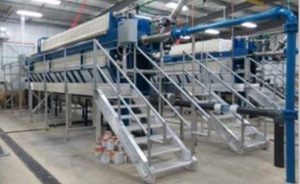
We built a water treatment solution specifically designed for this naturally hard water. Our team of experts designed, built, and started up two M.W. Watermark 1500mm filter presses in their facility to dewater the lime slurry.

The filter cake discharges onto a horizontal screw conveyor supplied by M.W. Watermark to transfer the lime cake and dispose of it responsibly – by providing it to local farmers to use as a soil amendment.

M.W. Watermark - Wastewater Treatment Equipment: Industries and ApplicationsM.W. Watermark - Wastewater Treatment Equipment: Industries and Applications

Visit our Lime Softening Solutions webpage for more information.

Recycle and Save with Wastewater Treatment Equipment

Every year, 1.165 billion gallons of water are filtered through M.W. Watermark filter presses, and that number is growing by about 20% every year. That equals out to about 4.7 million gallons per day, based on a work year with 250 days of operation.

View our Recycle and Save infographic on our website to learn more about how wastewater treatment equipment can help save money by reusing water across a variety of industries.

About M.W. Watermark

M.W. Watermark wants to make a difference. We are passionate about the world’s water. We are innovative, focused on customer service and always try to exceed expectations. We are an environmentally conscious company with people who are energized, encouraged and inspired to make a difference in the water business, and as a result, make a positive difference to our planet by helping to keep our shared, finite water supply clean and usable for generations to come. We build amazing, custom water and wastewater treatment equipment. We also specialize in rebuilding used water treatment equipment. Together, we can make a difference.
© 2021 M.W. Watermark, L.L.C.
M.W. Watermark is a trademark owned by M.W. Watermark, L.L.C. All rights reserved.
Product names, logos, brands, and other trademarks featured or referred to within this document are property of their respective trademark holders. These trademark holders are not affiliated with M.W. Watermark in any way.

Top Benefits of Buying a Rebuilt Filter Press

From car washes to chemical processing, various industries rely on effective water treatment equipment for everyday use. 

M.W. Watermark - Rebuilt Filter Press
M.W. Watermark Rebuilt Filter Press

Replacing water treatment equipment—particularly a large capacity filter press—can be a substantial capital investment. However, purchasing a rebuilt filter press can be a great investment and alternative to purchasing new. When considering this option, there are a few things businesses need to keep in mind:

A Rebuilt Filter Press Is Cost Effective

Businesses today must operate at high efficiency while keeping costs low. Our rebuilt equipment will allow you to achieve dependable results while maintaining a reasonable budget. We handle all refurbishments in-house. Additionally, each piece of our re-manufactured equipment undergoes a comprehensive quality control check under the watchful eyes of M.W. Watermark’s skilled professionals.

We perform the following work when rebuilding used filter presses:

  • Complete any needed structural repairs.
  • Overhaul hydraulic and mechanical systems.
  • Power wash filter plates.
  • Replace all filter cloths and gaskets with new parts.
  • Sand-blast and repaint for a clean, professional appearance.
M.W. Watermark - Rebuilt Filter Press
Click to Visit our Website and Watch this Video: “Before and After 1200mm Rebuilt Trailer Press”

It’s Good for the Environment

Although it may be a small gesture, rebuilt equipment is eco-friendly. When companies purchase equipment, such as a rebuilt filter press, they’re giving back to mother nature in a big way. Not only are they saving on manufacturing costs, but they are also recycling old equipment and contributing to positive change in the Earth’s ecosystem by reducing their carbon footprint.

Take the Next Step

M.W. Watermark offers a complete rebuilding service of  water and wastewater treatment equipment that is second-to-none. We use the same standards to rebuild equipment as we do to build new, so you can be assured that you are getting quality equipment you can rely on.

View Our Current Inventory

M.W. Watermark Offers Rebuilt Filter Presses for Rental or Purchase

Contact an M.W. Watermark Sales and Service team member to learn more.

About M.W. Watermark

M.W. Watermark wants to make a difference. We are passionate about the world’s water. We are innovative, focused on customer service and always try to exceed expectations. We are an environmentally conscious company with people who are energized, encouraged and inspired to make a difference in the water business, and as a result, make a positive difference to our planet by helping to keep our shared, finite water supply clean and usable for generations to come. We build amazing, custom water and wastewater treatment equipment. We also specialize in rebuilding used water treatment equipment. Together, we can make a difference.
© 2021 M.W. Watermark, L.L.C.
M.W. Watermark is a trademark owned by M.W. Watermark, L.L.C. All rights reserved.

Product names, logos, brands, and other trademarks featured or referred to within this document are property of their respective trademark holders. These trademark holders are not affiliated with M.W. Watermark in any way.

The Hows and Whys of Concrete Wastewater Treatment

M.W. Watermark - Concrete Wastewater Treatment Equipment
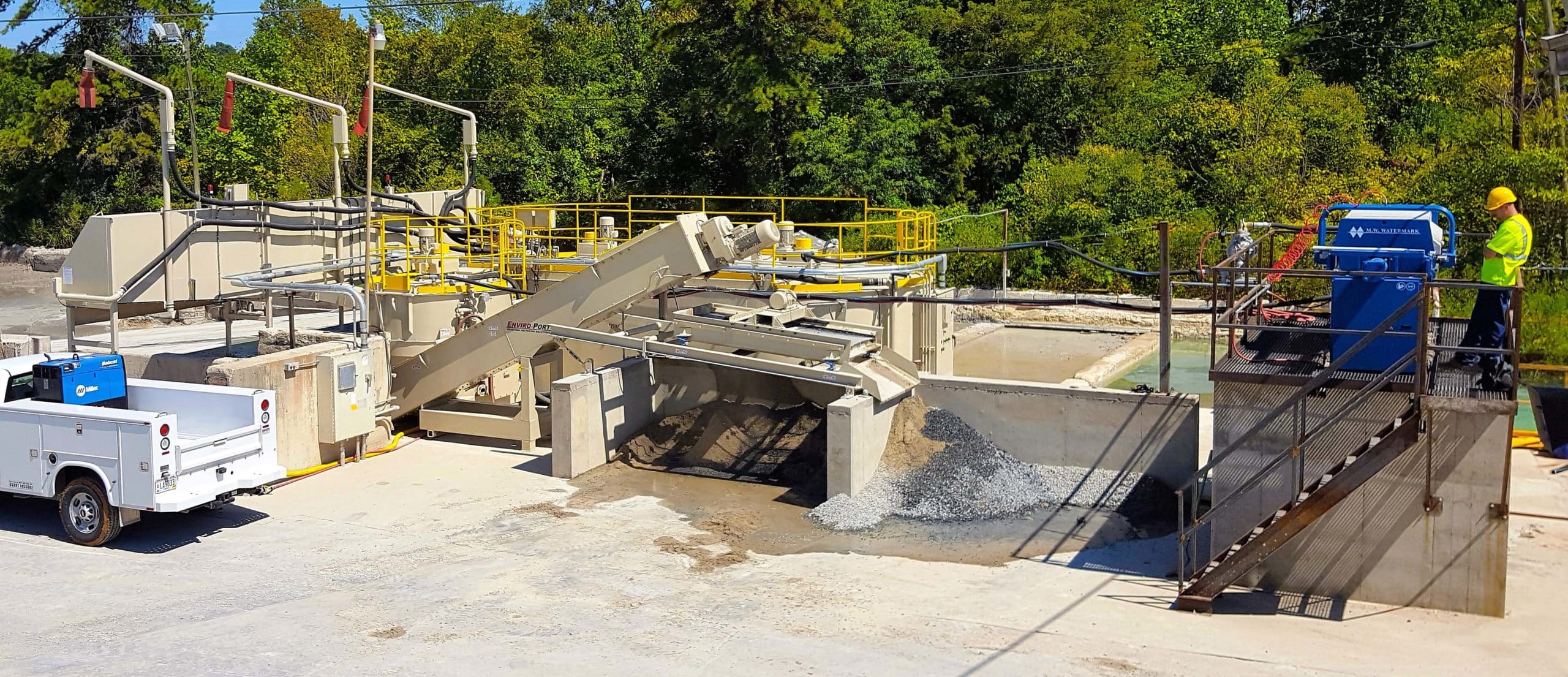
M.W. Watermark Filter Press Paired with an Enviro-Port Reclaimer System

Ready-mixed concrete providers require ongoing innovation to ensure that production operations do not produce excessive waste, which reduces profits and could result in environmental harm. Concrete wastewater treatment requires vigorous quality control as well as adherence to applicable environmental regulations. Recycling and treating wastewater are two solutions that many concrete businesses have adopted.

M.W. Watermark manufactures equipment for concrete wastewater treatment
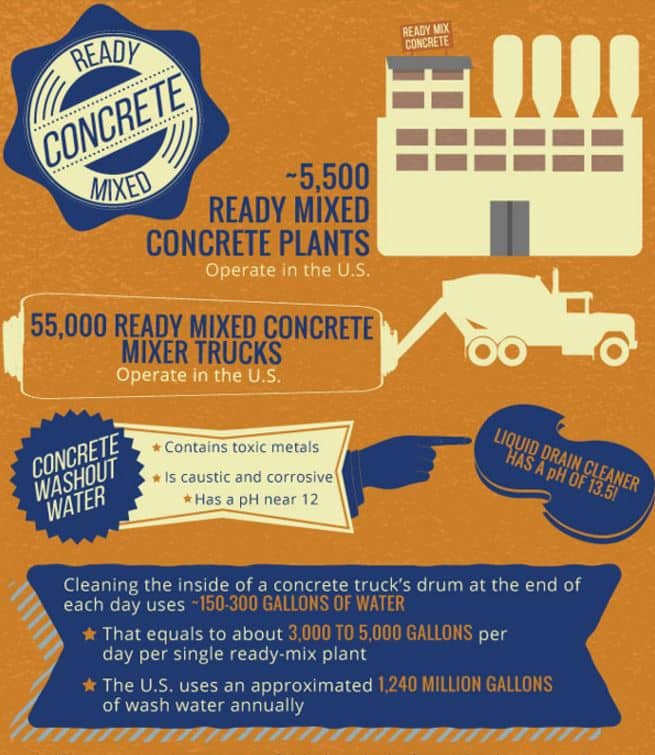
Click Image to Enlarge

Click here to view the full Recycle and Save infographic on our website. 

Problems with Wastewater

Processed and runoff water generally has a high pH content, and it is caustic due to many of the chemicals present. If this wastewater is introduced into bodies of water, the high pH level of the water can kill or harm fish and other living creatures. Significant damage has been noted to fish skin, eyes, and gills after exposure to wastewater. This bodily harm to fish can affect feeding, breeding, functionality of gills, and the fish’s ability to exist successfully in its habitat.

Adhering to Regulations

Every manufacturer must adhere to regulations at the federal, state, and local level. The U.S. Environmental Protection Agency monitors and places limitations on the type and amount of wastewater discharged. State and local municipalities also have regulated limits regarding chemical composition and pH levels for process water.

Concrete wastewater treatment may involve obtaining local permits. Each utility has unique requirements for how and when process water is discharged.

Safe Water Goals for Concrete Wastewater Treatment

The best course of action involves actively pursuing a zero discharge manufacturing process by staying informed about current ways to recycle and minimize wastewater. Using concrete wastewater treatment equipment such as a filter press can help concrete producers recycle and reuse as much of their wastewater as possible.

M.W. Watermark manufactures equipment for concrete wastewater treatment

Instituting a recycling system can be both cost-effective and environmentally responsible because of the ability to recycle both solid materials and process water for future use.

Preserving the Earth for future generations and maintaining its safety and beauty for this generation of humans and other living things continue to be leading goals for responsible concrete wastewater treatment.

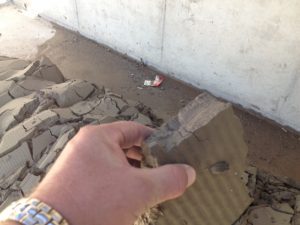
M.W. Watermark manufactures equipment for concrete wastewater treatment; filter press cake

Contact an M.W. Watermark Sales and Service Team member to learn more.

About M.W. Watermark

M.W. WATERMARK wants to make a difference. We are passionate about the world’s water. We are innovative, focused on customer service and always try to exceed expectations. We are an environmentally conscious company with people who are energized, encouraged and inspired to make a difference on our planet by helping to keep our shared, finite water supply clean and usable for generations to come. We build amazing, custom water and wastewater treatment equipment. Together, we can make a difference.
© 2021 M.W. Watermark, L.L.C.
M.W. Watermark is a trademark owned by M.W. Watermark, L.L.C. All rights reserved.
Any third party trademarks referenced on this site are the trademarks of their respective owners, and M.W. Watermark makes no claim to such marks and is not affiliated with such companies.

A Filter Press Is a Depth Filter: The Role of Filter Cloths and Cake in the Dewatering Process

Depth filters are innovative pieces of technology that allow particles to collect throughout the medium, not just on the surface. The filter cloth is an integral part of the filter press, collecting particles to separate solids from liquids.

What Sets Depth Filters Apart?

A depth filter, as the name suggests, collects particles throughout the filter medium instead of just on the surface. The unique, porous filtration medium efficiently removes particles from liquids. These filters can also provide filtration to a slurry that contains a higher than normal load of particles without degrading in its quality or letting particles through. Depth filters have a number of sizes and purposes and can be used in potable water treatment, wastewater treatments plants, and more.

M.W. Watermark - A Filter Press is a Depth Filter: The Role of Filter Cloths and Cake in the Dewatering Process

Cake Formation is a Unique Benefit of a Filter Press

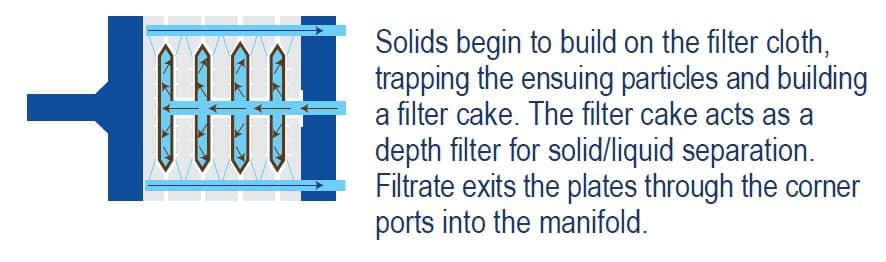
Simply put, cake formation is not possible in other types of filters. At the beginning of each filtration cycle, the filter cloth is the primary separator of solids from the liquid stream. Then, as solids build up on both sides of each filter press chamber, the solids become the primary separator, and a “depth filter” is formed in each chamber. This allows for the separation of particles much smaller than the openings in the filter cloth.

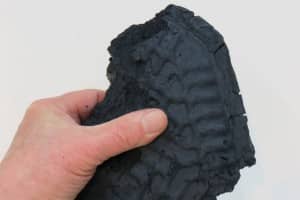
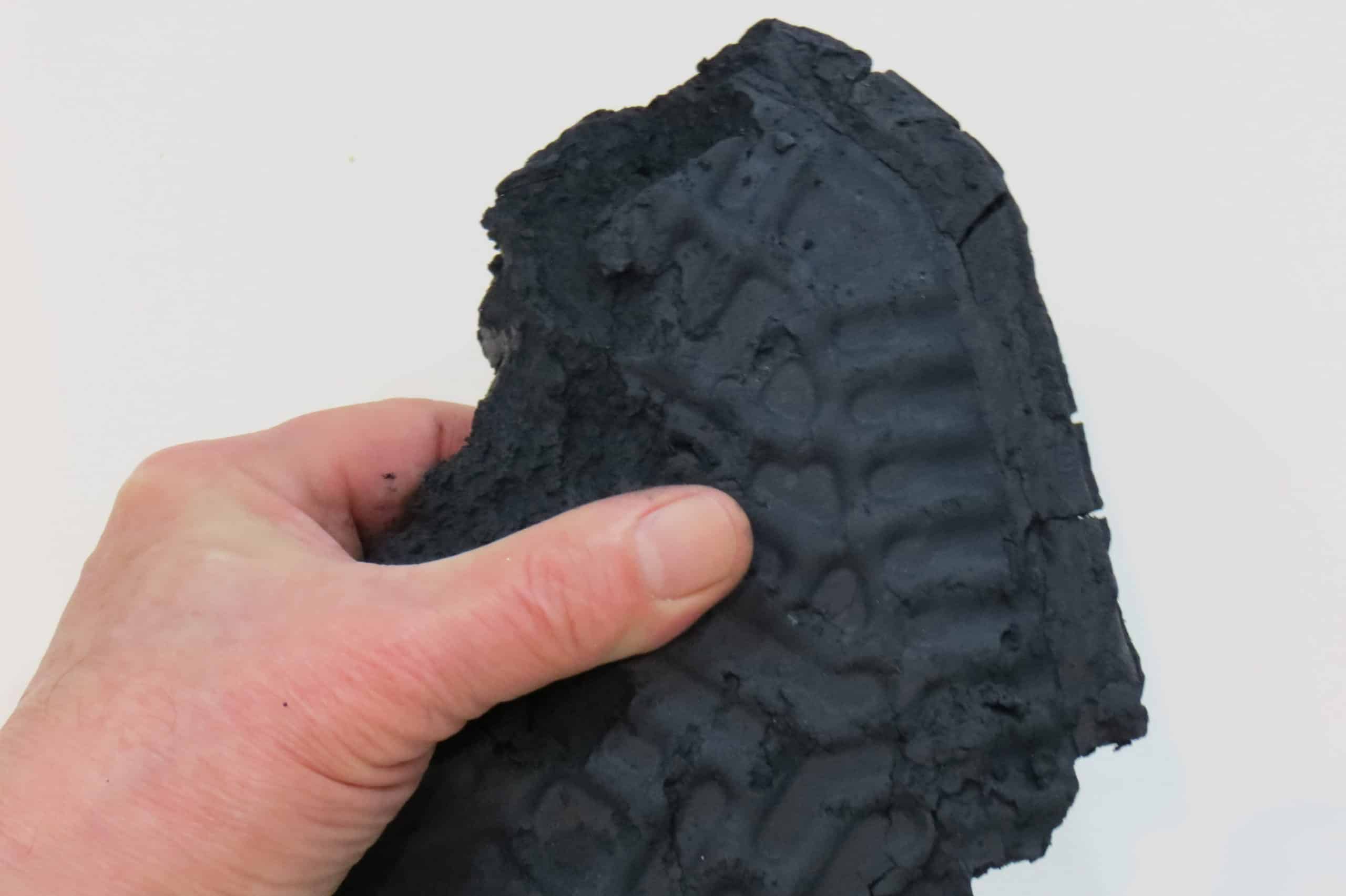
As this trapping intensifies, the finer particles become solid throughout the filter plate chamber, like partially hardened mud. This is referred to as the “filter cake” and is often described as a “slab of fudge” as this summarizes its ideal consistency.

M.W. Watermark: A piece of filter cake from a filter press, described as a "slab of fudge"
A piece of filter cake from a filter press, described as a “slab of fudge”

How Do You Know It’s Working?

When the chambers of the filter press are full, the fill cycle is complete. Throughout the fill cycle, the liquid exits the filter plate pack through the corner ports in the manifold, plumbed to exit through a single point. At the end of the cycle, if the filter cake is less than solid, then the cloth may have become clogged. While installing or changing a filter cloth is not the easiest of jobs, M.W. Watermark technicians can perform this task swiftly at a low price, resulting in minimal downtime.

For more detailed information about how a filter press works, visit our Filter Press 101 blog posting.

Contact an M.W. Watermark Sales & Service Team member to discuss your particular application.

M.W. Watermark - A filter press serves as a depth filter

About M.W. Watermark

M.W. WATERMARK wants to make a difference. We are passionate about the world’s water. We are innovative, focused on customer service and always try to exceed expectations. We are an environmentally conscious company with people who are energized, encouraged and inspired to make a difference on our planet by helping to keep our shared, finite water supply clean and usable for generations to come. We build amazing, custom water and wastewater treatment equipment. Together, we can make a difference.
© 2021 M.W. Watermark, L.L.C.
M.W. Watermark is a trademark owned by M.W. Watermark, L.L.C. All rights reserved.
Any third party trademarks referenced on this site are the trademarks of their respective owners, and M.W. Watermark makes no claim to such marks and is not affiliated with such companies.

Advances in Wastewater Treatment: From Sludge to Clean Water

When discussing municipal wastewater treatment equipment, “sludge” is the term used to signify a toxic semi-solid slurry made up of all of the different types of wastewater that end up at a water treatment plant via sewage systems. Sludge typically is a kind of toxic cocktail made up of industrial waste, hospital waste, commercial waste, human excreta, stormwater runoff, and many other kinds of hazardous, toxic, and biological waste materials, including heavy metals, steroids, and pharmaceuticals.

Sludge Must be Returned to a Non-Hazardous State Using Advanced Wastewater Treatment Equipment

When sludge accrues in a water treatment facility, it must eventually be restored to a non-hazardous state through a highly advanced filtration process. Due to the preciousness of our planet’s limited water supply and the serious effects of improperly treated water to the health of consumers, water treatment facilities and wastewater treatment equipment must remain constantly adaptable to advancements in technologies with regards to sludge water treatment. Legal regulations examine and dictate stricter sewage guidelines, which require treatment plants to adopt new and constantly more efficient standards and methods.

The most recent requirements in agricultural treatments, for example, require that filtration systems are able to reduce the presence of toxic particles in wastewater (or sludge) and wastewater treatment equipment by at least 20 percent within the course of two years. Effectively, this means that the current most common means of dealing with wastewater sludge, a process called “membrane filtration” must update and improve its methods and components.

M.W. Watermark Tubular Microfiltration Membrane Modules

How Membrane Filtration Works for Wastewater Treatment

Membrane filtration, the most advanced sludge filtration process in use by most water treatment facilities, utilizes very small filters to trap not only toxic particles, but also microorganisms, such as bacteria or viruses. The process is similar in theory to the process by which home pool filtration systems operate. The process of membrane filtration, used to separate the damaging particles from sludge, is sometimes used in conjunction with other processes to restore sludge into a type of commercial fertilizer.

At M.W. Watermark, our membrane microfiltration process prevents many types of pollution from contamination and chemicals. To learn more, explore our line of tubular membrane modules.

About M.W. Watermark

M.W. WATERMARK wants to make a difference. We are passionate about the world’s water. We are innovative, focused on customer service and always try to exceed expectations. We are an environmentally conscious company with people who are energized, encouraged and inspired to make a difference on our planet by helping to keep our shared, finite water supply clean and usable for generations to come. We build amazing, custom water and wastewater treatment equipment. Together, we can make a difference.

© 2021 M.W. Watermark, L.L.C.
M.W. Watermark is a trademark owned by M.W. Watermark, L.L.C. All rights reserved.

Product names, logos, brands, and other trademarks featured or referred to within this document are property of their respective trademark holders. These trademark holders are not affiliated with M.W. Watermark in any way.

Filter Cloths for Large Filter Presses: Mining and Energy Industry Spotlight

More Options, Greater Capabilities and Shorter Lead Times Get You Back Up and Running Faster

M.W. Watermark Filter Cloths for Large Presses; Mining Filter ClothsIn case you hadn’t heard, M.W. Watermark™ makes filter cloths for all makes and models of filter presses, including the large format presses used in the mining and energy industries. Filter cloths can be sewn to the exact specifications of your filter press, providing for a perfect fit.

All cloths are made right here in the U.S.A. in our facility in Holland, Michigan, utilizing two laser cutting tables. Using lasers to cut cloth enables us to provide consistent, high-quality cloths with lower-pricing, while at the same time providing faster turnaround on custom requests.

In addition to our capabilities for customization and short lead times, M.W. Watermark also has industry experts on staff that will work directly with you – to help determine exactly what type and size of filter cloths you need for your particular filter press application.

Visit our Filter Cloths webpage to download our brochure, review FAQs, watch installation videos and more.
M.W. Watermark manufactures large format filter presses and custom filter cloths in-house; Mining Filter Cloths
M.W. Watermark manufactures large format filter presses and custom filter cloths in-house
M.W. Watermark offers filter cloths for the following types of filter plates:
  • Gasketed (CGR) and Non-Gasketed (NG)
  • Centerfeed
  • Cornerfeed
  • Membrane
  • Plate and Frame
Cloths for Gasketed (CGR) and Non-Gasketed (NG) Plates
We also offer:
  • Specialized Custom Cloths
  • Rubber Barrel Necks for increased durability to extend the life of cloths utilized in harsh mining and energy applications
  • Options for hook-and-loop material and latex to decrease installation time, improve fitting and minimize leakage
Non-Gasketed (NG) cloth with a rubber barrel neck for increased durability and hook and loop material to minimizes leakage
Non-Gasketed (NG) cloth with a rubber barrel neck for increased durability and hook and loop material to minimize leakage
Below are images of large format filter presses with custom filter cloths made in-house…
M.W. Watermark 1500mm Filter Press - Brine Solution from Water Recovery Application; Filter Cloths for Large Presses; Mining Filter Cloths
M.W. Watermark 1500mm Filter Press – Brine Solution from Water Recovery Application
M.W. Watermark 1200mm Filter Press – Built for a Neutralized Mine Wastewater Application
1200mm Trailer-Mounted Filter Press - Utilized for an Electrolyte Processing Mining Application
1200mm Trailer-Mounted Filter Press – Utilized for an Electrolyte Processing Mining Application
1500mm Tetra Filter Press - Overhead Filter Plate Suspension with Automatic Plate Shifter and Cloth Washer - Filter Cloths for Large Presses
1500mm Tetra Filter Press – Overhead Filter Plate Suspension with Automatic Plate Shifter and Cloth Washer
1200mm Overhead Filter Press with Automatic Plate Shifter - Filter Cloths for Large Presses
1200mm Overhead Filter Press with Automatic Plate Shifter

Contact our Sales and Service Team for a quote or to discuss your particular application. 

Share on Facebook

About M.W. Watermark

M.W. WATERMARK wants to make a difference. We are passionate about the world’s water. We are innovative, focused on customer service and always try to exceed expectations. We are an environmentally conscious company with people who are energized, encouraged and inspired to make a difference on our planet by helping to keep our shared, finite water supply clean and usable for generations to come. We build amazing, custom water and wastewater treatment equipment. Together, we can make a difference.
© 2021 M.W. Watermark, L.L.C.
M.W. Watermark is a trademark owned by M.W. Watermark, L.L.C. All rights reserved.
Any third party trademarks referenced on this site are the trademarks of their respective owners, and M.W. Watermark makes no claim to such marks and is not affiliated with such companies.

Choosing the Right Hydraulic System and Controls for Your Filter Press

Hydraulic Systems, Control Elements and the Filter Press

The type of hydraulic system best suited for a dewatering application typically depends on the size of the filter press required. Three common types of filter press hydraulic systems include air-operated, electric and manual.

Filter press controls are a factor of both the type of hydraulic system that will be utilized, as well as other specifics such as the options for automated valves, drip trays, an automatic plate shifter, and/or an automatic high pressure cloth washing unit. Various manifold processes can also be more easily facilitated by the use of proper controls, such as Air Blow, Even Fill, Pre-Coat, Acid Wash, Core Blow, Cake Wash, and more.

M.W. Watermark’s team of filter press experts can work with you to determine the best hydraulic system, controls, and other options for your particular dewatering project. Retrofits are also available. 

Air-Operated Hydraulics and Controls

For filter press sizes 630mm through 1000mm, air hydraulics are included as standard.

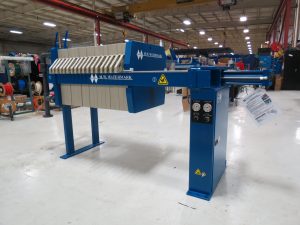
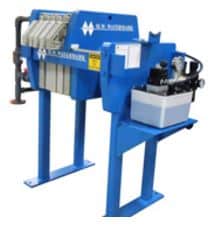
M.W. Watermark 630mm Filter Press with Air-Operated Hydraulics
How does an air-powered hydraulic pump work?

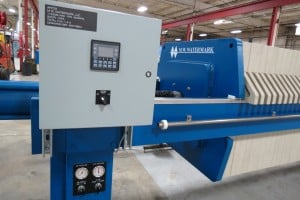
For added operator and equipment protection, the hydraulics are enclosed within the leg of the filter press that supports the hydraulic cylinder. 100 psi air is used to pressurize an oil reservoir that is used to push the plate stack closed. Once the plate stack is closed, a high pressure air-operated hydraulic pump clamps the plate stack with a force, plus a safety factor, to counteract the pressure of the slurry feed.

Air-powered hydraulic pumping units convert plant air to hydraulic pressure through a simple ratio system that uses a large air piston area at low pressure to produce a high hydraulic pressure on a small area hydraulic piston. Automatic reciprocation is controlled by the action of a pilot operated selector valve in the pneumatic section of the pump.

As the hydraulic output approaches the desired pressure dictated by the air pressure regulator setting, the pump slows down and finally stalls when the hydraulic force balances the air force. Hydraulic force is maintained with no consumption of power.

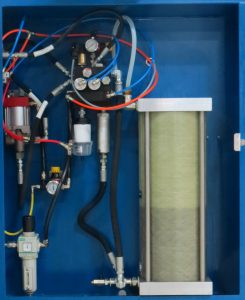
M.W. Watermark Manifold Block Air-Operated Hydraulics - Inside the Hydraulics Cabinet
M.W. Watermark Filter Press – Inside the Air-Operated Hydraulic Cabinet

When the cycle is complete, the air-operated hydraulic system releases the pressure within the cylinder and uses air pressure to retract the follower for filter cake discharge. The air hydraulic control switches and gauges are mounted in either the left or right hand side of the leg of the filter press to suit the installation.

Click below to visit our Filter Press Hydraulic Systems webpage and watch a video overview of our air operated hydraulic system – demonstrating its functionality including closing, clamping and opening times. 

Air Operated Hydraulic Filter Press Overview Video

What control options are available for an air-operated hydraulic filter press?

Visit our Filter Press Controls webpage to learn more.

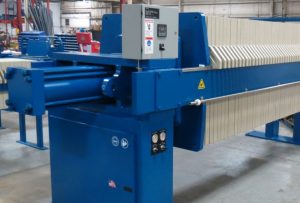
M.W. Watermark Filter Press with Air-Operated Hydraulics and Optional AFPCS

Electric Hydraulics and Controls

For filter press sizes 800mm through 1500mm, electric hydraulics are optional to decrease filter press opening and closing times.

How does an electric-powered hydraulic pumping unit work?

Electric-powered hydraulic pumping units maintain the hydraulic pressure, and if the pressure exceeds the relief setting this pressure is vented – keeping the pressure within the specified range.

For added operator and equipment protection, the hydraulic power unit (HPU) is enclosed within the leg of the filter press that supports the hydraulic cylinder. The HPU includes a high volume / low pressure pump to open and close the plate stack quickly and a low volume / high pressure pump that clamps the plate stack. Once the plate stack is closed, the high pressure hydraulic pump clamps the plate stack with a force, plus a safety factor, to counteract the pressure of slurry feed.

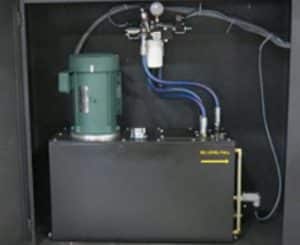
M.W. Watermark 1500mm Filter Press - Electric-Powered Hydraulic Pumping Unit
M.W. Watermark 1500mm Filter Press – Electric-Powered Hydraulic Pumping Unit

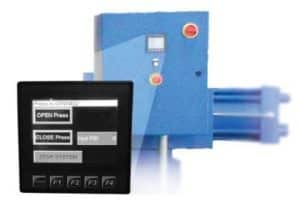
Electric hydraulics are controlled by the M.W. Watermark Electric Hydraulic Control System (EHCS), which monitors the status of the system and provides an emergency stop push button, disconnect switch, and touch screen control of the filter press hydraulics.

Learn more about the M.W. Watermark Electric Hydraulic Control System (EHCS).

M.W. Watermark Electric Hydraulic Control System (EHCS)

Manually-Operated Hydraulics and Controls

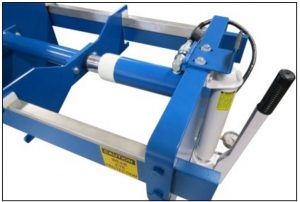
A manual hand pump to extend the spring return hydraulic cylinder is standard for the 470mm filter press.

How does the manually-operated hydraulic pump work?

The hydraulic cylinder is swung from the “up” to the “clamp” position and the hand pump is operated to build clamping pressure. At the end of the dewatering cycle, the hydraulic pressure is released and the cylinder is retracted by an internal spring. The cylinder is then lifted to the “up” position and the follower is manually pulled back to the end of the press. The filter plates are then manually shifted to discharge filter cake.

This option requires hands-on “pumping” to get the job done. However, when working with a smaller filter press such as the 470mm, or when an air supply or electrical power is not available on the job site, manually-operated hydraulics may be the best solution.

M.W. Watermark Manually Operated Hydraulics Filter Press

Note: To eliminate the requirement of pumping by hand, an air-operated single-acting closure system (for closing only) is available as an option.

Optional Air-Operated Single-Acting Closure System

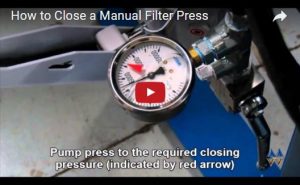
Click below to watch a video on our Hydraulic Systems webpage on how to open/close a manually-operated hydraulic filter press.

M.W. Watermark Manual Hydraulic Filter Press Video

Contact an M.W. Watermark Sales and Service Team member to learn more. 

About M.W. Watermark

M.W. WATERMARK wants to make a difference. We are passionate about the world’s water. We are innovative, focused on customer service and always try to exceed expectations. We are an environmentally conscious company with people who are energized, encouraged and inspired to make a difference on our planet by helping to keep our shared, finite water supply clean and usable for generations to come. We build amazing, custom water and wastewater treatment equipment. Together, we can make a difference.
© 2021 M.W. Watermark, L.L.C.
M.W. Watermark is a trademark owned by M.W. Watermark, L.L.C. All rights reserved.
Any third party trademarks referenced on this site are the trademarks of their respective owners, and M.W. Watermark makes no claim to such marks and is not affiliated with such companies.

Benefits of Lime Softening for Municipal Waterworks Sourcing Groundwater

Municipal waterworks generally choose water softening treatment methods as a function of cost, water quality, infrastructural capacity, and the degree of hardness the customers demand. As a rule, lime softening water treatment works best in systems that source groundwater with low to undetectable non-carbonate hardness levels. Softening water with high non-carbonate hardness may necessitate the combination of lime and soda ash. In either case, lime softening is ordinarily more economical than the alternative method of water treatment with caustic soda.

M.W. Watermark - Filter Presses for Lime Softening Water Treatment Application
Two M.W. Watermark 1500mm Filter Presses

Benefits of Lime Softening

Lime softening water treatment not only effectively reduces the dissolved mineral quotient in municipal and industrial water supplies but it also directly and positively impacts municipal, commercial, and consumer budgets. Because softened water tends to form less scale, consumers use fewer household cleaners, which in turn reduces the toxic chemical content of municipal greywater. As a result, filter presses at greywater treatment plants, and industrial efforts like laundry wastewater recycling, operate more efficiently and cost-effectively.

Other potential plusses of lime softening water treatment include the removal of heavy metals, radioactive elements, and other toxins such as radium 226 & 228, uranium, and arsenic. Lime softening eliminates iron, manganese, silica and fluoride, as well as certain organic compounds and possibly even Giardia lamblia cysts. Lime softening water treatment reduces total organic carbon (TOC) content and surface water turbidity. Simultaneously, it increases the Langelier Saturation Index (LSI), which in some cases can aid in pipe corrosion control.

Innovative, Eco-Sustainable Cake Disposal

Proper disposal of the filter press cake produced by lime softening is strictly regulated and often costly. One uniquely beneficial disposal solution is the recycling of the filter cake as agricultural fertilizer. This calcium-rich product can then be distributed or monetized either to restore the pH balance in poor or depleted soil to promote plant growth or as a liming material for farmers.

In states where abandoned strip mines leach acid water into the watershed, pumping a solution containing filter cake from lime softening water treatment into the mines can help abate environmental pollution downstream—by neutralizing the acid water at the source of contamination. In this way, governments can reclaim blighted land to provide economical discharge storage to save on material treatment costs, while at the same time helping to conserve local water resources by reducing pollution—all long-term, cost-saving benefits.

Contact M.W. Watermark to learn more about lime softening water treatment.

About M.W. Watermark

M.W. WATERMARK wants to make a difference. We are passionate about the world’s water. We are innovative, focused on customer service and always try to exceed expectations. We are an environmentally conscious company with people who are energized, encouraged and inspired to make a difference on our planet by helping to keep our shared, finite water supply clean and usable for generations to come. We build amazing, custom water and wastewater treatment equipment. Together, we can make a difference.
© 2021 M.W. Watermark, L.L.C.
M.W. Watermark is a trademark owned by M.W. Watermark, L.L.C. All rights reserved.

The product names, logos, brand names, and other trademarks listed above are the intellectual property of their respective trademark owners; M.W. Watermark is not affiliated with such trademark owners in any way.

How Recycling Vehicle Wash Wastewater Benefits Business

Recycling car wash wastewater is an often-overlooked way to cut costs, ensure company sustainability, and help the environment. Learn more about the benefits of car wash wastewater treatment and how the process works.

Why Recycle Water?

It’s no secret that humans consume millions of gallons of water per day. A typical car wash owner’s business pumps out 10 to 15 gallons of “dirty” water with every cycle. What if there was a way to recycle some of this water for subsequent washes? Most business owners aren’t aware that there is a clean way to do this: with a dewatering machine known as a filter press.

There are many models of filter presses available at varying sizes and configurations. Car wash wastewater treatment can help reduce costs by potentially lowering disposal costs. Plus, using water filtration systems deters possible usage restrictions placed upon the company and provides environmental benefits to the area by increasing the natural flow and growth of local ecosystems.

M.W. Watermark Car Wash Wastewater Treatment Equipment - Filter Press

The Water Recycling Process

Water recycling makes use of filter presses to separate liquids from solids. Filter presses can be purchased as new or rebuilt equipment. Instead of going into the sewer or out into the environment, water containing particles of dirt, mud, and other debris enters the filter press.

Up to 50% of the “dirty” water goes through a pressure filtration process and unwanted debris is removed from the water. Best of all, the dewatering process often keeps the cleaning agents in the filtrate for additional uses. By keeping dirty water out of the local ecosystem, car wash operators can utilize a cost-effective solution that simultaneously benefits their surrounding water sources.

For business owners hoping to one day expand their business, undergoing car wash wastewater treatment using a filter press is a no-brainer. M.W. Watermark provides businesses with filter presses crafted from high quality parts. With years of experience, we are prepared to customize the ideal wastewater treatment solution for your company. Best of all, all of our equipment is made in the U.S.A. by professionals who are passionate about water preservation and future sustainability.

Contact M.W. Watermark to learn more about car wash wastewater treatment equipment.   

About M.W. Watermark

M.W. WATERMARK wants to make a difference. We are passionate about the world’s water. We are innovative, focused on customer service and always try to exceed expectations. We are an environmentally conscious company with people who are energized, encouraged and inspired to make a difference on our planet by helping to keep our shared, finite water supply clean and usable for generations to come. We build amazing, custom water and wastewater treatment equipment. Together, we can make a difference.
© 2021 M.W. Watermark, L.L.C.
M.W. Watermark is a trademark owned by M.W. Watermark, L.L.C. All rights reserved.

The product names, logos, brand names, and other trademarks listed above are the intellectual property of their respective trademark owners; M.W. Watermark is not affiliated with such trademark owners in any way.

M.W. Watermark™ Offers a Full Range of Laboratory Services

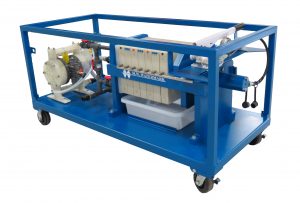
M.W. Watermark Laboratory ServicesLaboratory services can help determine the most effective filter press equipment, equipment sizing, filtration media required, and dewatering techniques for your specific application. This includes the recommended treatments, chemicals, and dosages required to form an ideal cake in a filter press.

Our services range from feasibility testing of your materials to offering portable pilot units for on-site testing. We can determine the most effective feed pressures, fill times, filter media and sludge conditioning.

Laboratory services can help you ensure a better informed equipment purchase, or maintain maximum performance of your current filter press, including most makes and models.

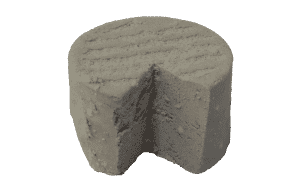
M.W. Watermark Lab Filter Press Cake - Laboratory Services
Lab cake sizes available from .75″ to 2.00″
M.W. Watermark 320mm Pilot Filter Press
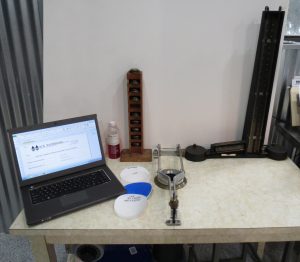
M.W. Watermark™ offers Frazier® Air Permeability Testing as part of our growing list of laboratory services.

By using a Frazier® Air Permeability Tester, we are able to determine the air permeability of a particular filter cloth fabric, utilizing the ASTM D 737-96 standard test method for textile fabrics.

M.W. Watermark Air Permeability Testing - Laboratory Services
M.W. Watermark Air Permeability Testing Station
How does it work?

A sample is placed on the machine and air is drawn through the fabric. The rate of air flow passing through a fabric sample is adjusted to find an air pressure differential between two fabric surfaces. The air permeability of the fabric can then be determined by this air flow rate. The test results are reported in CFM, or Cubic Feet per Minute.

Efficiency of filtration media is directly related to air permeability. By testing the air permeability of a filter cloth fabric, our lab technicians are able to determine the filtration characteristics and determine if a given fabric is ideal for a customer’s particular dewatering application.

M.W. Watermark Air Permeability Testing - Laboratory Services
Venturi nozzles of increasing diameters – used to measure air flow

When a customer is looking to replace their existing filter press cloths, and the type of fabric is not known, the air permeability test also helps us match a customer’s cloth sample with the correct fabric spec. In turn, we are able to test for quality control and performance specs of incoming rolled goods.

Contact M.W. Watermark to learn more about our laboratory services.

About M.W. Watermark

M.W. WATERMARK wants to make a difference. We are passionate about the world’s water. We are innovative, focused on customer service and always try to exceed expectations. We are an environmentally conscious company with people who are energized, encouraged and inspired to make a difference on our planet by helping to keep our shared, finite water supply clean and usable for generations to come. We build amazing, custom water and wastewater treatment equipment. Together, we can make a difference.
© 2021 M.W. Watermark, L.L.C.
M.W. Watermark is a trademark owned by M.W. Watermark, L.L.C. All rights reserved.
Any third party trademarks referenced on this site are the trademarks of their respective owners, and M.W. Watermark makes no claim to such marks and is not affiliated with such companies.

How Does an Oil Coalescing Separator Work?

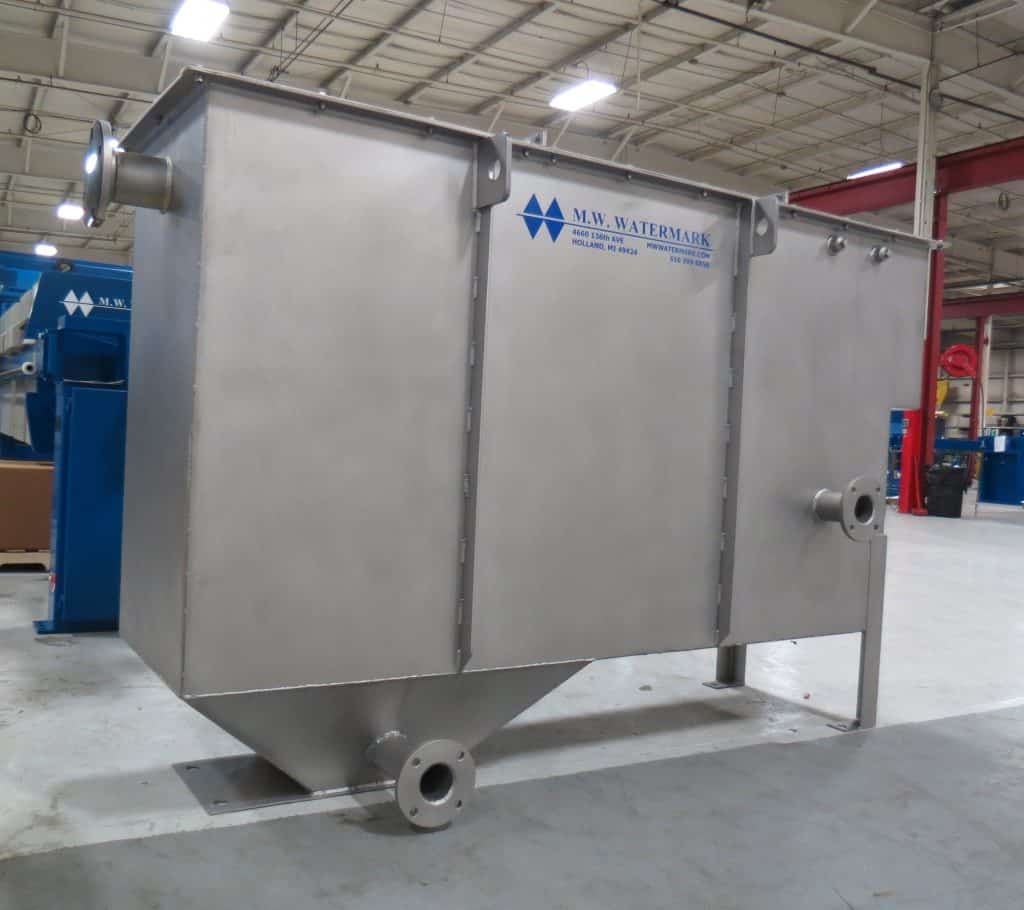
The M.W. Watermark™ Oil Coalescing Separator is designed to remove free non-emulsified oils, diesel, gasoline and fuels from a waste stream, resulting in an effluent quality of 10 mg/l or less of contaminants 20 microns and larger.

M.W. Watermark Oil Coalescing Separator

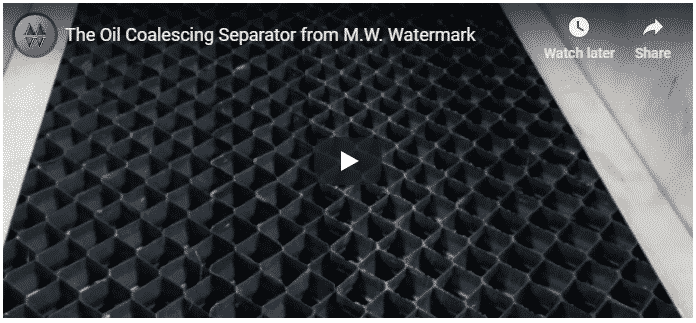
The Oil Coalescing Separator operation is based on closely spaced oil attracting media that promotes the impact and formation of larger oil particles. As the oil droplets increase in size their rise rate to the water surface also increases.

The influent water enters the separator through an inlet baffle that directs the water through the media bundle. The media expands the surface area of the separator giving the oil more room on which to combine.

As the oil droplets accumulate on the media and coalesce they develop into larger droplets that flow up the surface of the media, detach and rise to the water surface. Surface oil decants by gravity into a segregated oil reservoir where it can be removed from the tank.

Heavier solids will slide down the surface of the media into the sludge chamber at the bottom of the tank for periodic removal. Virtually oil free water travels under an oil reservoir baffle, over an adjustable weir and into a clean water effluent chamber. The water is then gravity discharged from this chamber.

M.W. Watermark Offers 19 progressive sizes of Oil Coalescing Separator models

Our OCS models range from 10 gpm to 5,000 gpm.

Watch an overview video on our OCS webpage.

M.W. Watermark Oil Coalescing Separator (OCS) Video

All of our high-quality Oil Coalescing Separator models are assembled in the U.S.A.

Contact M.W. Watermark to learn more or request a quote.

About M.W. Watermark

M.W. WATERMARK wants to make a difference. We are passionate about the world’s water. We are innovative, focused on customer service and always try to exceed expectations. We are an environmentally conscious company with people who are energized, encouraged and inspired to make a difference on our planet by helping to keep our shared, finite water supply clean and usable for generations to come. We build amazing, custom water and wastewater treatment equipment. Together, we can make a difference.
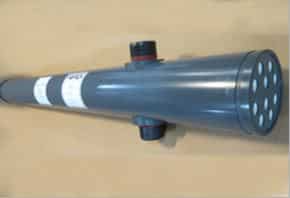
© 2021 M.W. Watermark, L.L.C.
M.W. Watermark is a trademark owned by M.W. Watermark, L.L.C. All rights reserved.
Any third party trademarks referenced on this site are the trademarks of their respective owners, and M.W. Watermark makes no claim to such marks and is not affiliated with such companies.

How to Save Money in Metal Finishing While Remaining Environmentally Friendly

Metal plating and finishing requires an ample amount of various chemicals for an efficient operation. However, the chemicals found in these wastewater streams are not only expensive to remove but also potentially damaging to the environment. Read on for tips for avoiding these negative impacts as well as industry best practices for wastewater treatment and disposal.

Collecting the Right Information

When it comes to metal finishing wastewater treatment, it’s important to understand certain baseline information. Four areas to keep in mind are rinse tanks, ventilation systems, acid cleaners and acid etches, and alkaline cleaners. Making a layout of these areas to collect appropriate information can help clarify the process and build awareness of initial costs.

M.W. Watermark Metal Finishing Wastewater Treatment Equipment

Rinse Tanks

The metal finishing industry involves processes that use more water than many other industries, resulting in stringent EPA regulations. The most cost-effective and environmentally sound options for metal finishing wastewater treatment are multiple counterflowing immersion rinse tanks, reactive rinsing, spray rinsing, and combination rinses.

Metal finishing operations have an in-house treatment system so that acids, alkali, oils, and dissolved metals are economically disposed of and sent to sewers since the water becomes unsuitable for use again. However, reverse osmosis, a relatively simple and low-maintenance system, can help recover at least half of the water and make it safe for use.

Ventilation Systems

Ventilation systems remove dangerous fumes from process tanks. The highest cost involved with ventilation is the electricity used for the operation. The secondary cost depends on the location and the reconditioning (heating or cooling). Some industries utilize automatic tank covers and fan controls, which can reduce the fumes, thus resulting in lower costs.

Acid Cleaners and Acid Etches

Acids used in metal plating are cleaned via acid baths. If the acid bath does not have effective process controls, it can lead to defective metal plating and finishing over time because of inconsistencies in the acid strength level. An ineffectively managed acid tank can become useless and will have to be disposed of, resulting in costs to replace the tank and the acid cleaners. To extend the life of the acid bath and reduce costs, any dissolved metal content should be removed through metal dissolving methods such as diffusion dialysis and acid sorption.

Alkaline Cleaners

During metal finishing wastewater treatment, alkaline cleaning tanks clean a large amount of dirt, oils, grease, wax, polishing compound, and light oxides at the beginning of the process. It is important to keep track of the cleaning strength of the alkaline cleaners to reduce costs and the environmental footprint.

 Metal Finishing Wastewater Treatment

The metal finishing process produces wastewater that must be treated to separate the dissolved metals in the wastewater from the liquids following chemical treatment and precipitation. A filter press with polypropylene filter plates and cloths is typically used, as polypropylene is resistant to the corrosive nature of this type of waste stream. Gasketed filter plates and cloths (versus non-gasketed) are also well suited for a corrosive slurry, as there is less chance of leakage.

Metal Finishing Wastewater Treatment Equipment - M.W. Watermark New and Rebuilt Filter Presses
M.W. Watermark New and Rebuilt Filter Presses
Metal Finishing Wastewater Treatment Equipment - M.W. Watermark Gasketed Filter Plates and Cloths
M.W. Watermark Gasketed Polypropylene Filter Plates and Cloths

After the metal finishing wastewater has been processed via pressure filtration, the resulting filter cake is then discharged from the filter press. The filter cake can then be further dehydrated using a continuous sludge dryer.  For example, the M.W. Watermark™ continuous sludge dryer can reduce the waste volume and weight significantly, offering an average yearly savings in disposal costs of up to 60%.

Metal Finishing Wastewater Treatment Equipment - M.W. Watermark Continuous Sludge Dryers
M.W. Watermark Continuous Sludge Dryers

Not only can changing up a business’s wastewater cleaning processes reduce overall costs, but it can also help the industry remain competitive and environmentally sound.

Contact M.W. Watermark to learn more about saving money in metal finishing wastewater treatment while preserving the environment.

Share on Facebook

About M.W. Watermark

M.W. WATERMARK wants to make a difference. We are passionate about the world’s water. We are innovative, focused on customer service and always try to exceed expectations. We are an environmentally conscious company with people who are energized, encouraged and inspired to make a difference on our planet by helping to keep our shared, finite water supply clean and usable for generations to come. We build amazing, custom water and wastewater treatment equipment. Together, we can make a difference.
© 2021 M.W. Watermark, L.L.C.
M.W. Watermark is a trademark owned by M.W. Watermark, L.L.C. All rights reserved.
Any third party trademarks referenced on this site are the trademarks of their respective owners, and M.W. Watermark makes no claim to such marks and is not affiliated with such companies.

How to Maximize the Life of Your Filter Cloths

Filter presses need regular maintenance to continue operating at optimal performance levels. An important part of this care is servicing the filter cloths.

As the initial barrier that removes solids from liquid in the filtration process, filter cloths experience a great deal of wear and tear. It’s important that they stay porous to achieve good filtration rates. When fine particles become lodged deep within the fabric, filtration rates can become compromised. Cleaning must be done on a regular basis to maintain full functionality of the filter press.

Filter cloth life can be shortened by certain chemicals in the slurry, mechanical wear, abrasion and blinding. Mechanical wear can be reduced by using a more durable cloth. Blinding (clogging of the cloths) often comes from “slamming” sludge into the press.

Preventative Measures

Automatic Feed Pump Control System (AFPCS)

Consider an Automatic Feed Pump Control System (AFPCS) to automatically and gradually increase pump pressure during the filtration cycle. High initial feed pump pressures can build a tightly packed layer of solids on the filter cloth. By reducing the initial feed pressure, a soft layer of slurry particles can be deposited on the cloth. Because this layer then becomes the filtering media, the filterability of the incoming slurry is enhanced.

An AFPCS can be retrofit to any filter press. Learn more about how an AFPCS allows your filter press to run at its optimum efficiency.

M.W. Watermark Filter Press with an AFPCS

Pre-Coat

Pre-coat material is any porous substance that allows liquid to pass through. The substance should be fine enough to mix with water but not so fine as to be impassable. It is the gaps within the substance that will provide much of the actual filtration.

“Pre-coating” a filter press with perlite, diatomaceous earth or similar products can also add substantial life to cloths. This coating protects against wear and minimizes blinding.

Learn more about pre-coat and how it is applied in a filter press.

Perlite can be used as an effective filter aid for filter press pre-coat
Perlite can be used as an effective filter press pre-coat

Cloth Additions

If your filter cloths are wearing out prematurely at the center feed, a latex-reinforced cloth barrel neck can help. In cases of an especially high amount of abrasion at the neck, a rubber barrel neck can help protect that area.

M.W. Watermark Non-Gasketed (NG) filter cloths with a latex-reinforced cloth barrel neck
Non-Gasketed (NG) filter cloths with a latex-reinforced cloth barrel neck
M.W. Watermark Rubber Barrel Neck Filter Cloth
Rubber barrel neck

Cleaning Methods

Using a Pressure Sprayer

When filtration cycles become too long or the initial filtration pressure is too high, it’s time to clean the cloths. One of the easiest ways to accomplish this is by using a portable cold water pressure sprayer, as the plates do not need to be removed from the filter press. However, care must be taken when using a pressure sprayer to ensure that the cloths are not damaged. By using a fan-shaped spray pattern and staying back a few feet from the surface, the cleaning process can be accomplished without accidentally cutting the cloths. Keeping the spray pressure under 1,000 PSI is recommended as well.

Acid Washing

Polypropylene filter cloths can handle both caustic and acidic solutions, and acid washing has become a popular cleaning method for this type of cloth for specialized applications. For example, when working with sludge from metal finishing, even the best-matched cloths can blind (become clogged) after a short period of time.

In cases where frequent cleaning is required, acid washing can become the most practical method of cleaning cloths. Plates do not need to be removed from the filter press, and a filter press can be equipped with a special manifold and system for cloth washing.

Filter Press with a Cloth Washing Manifold Installed
Filter Press with a cloth washing manifold installed

However, other filter cloth materials such as nylon, polyester and felt cloths may become damaged by using chemical cleaners.

Also, it’s important to note that acid washing is only an option if the chemistry of the sludge is reversible. Therefore, acid washing is not effective in situations that include laundry, food waste and biological applications.

M.W. Watermark has filter cloth experts on staff that can help you determine the best cleaning method for your particular application, and also talk through important safety precautions.

Read more about options for cleaning your filter cloths.

Filter Cloths – Serving as the Front Line

Filter cloths serve as the “front line” in a dewatering process, providing the foundation needed to build a filter cake, so it’s important to keep them in peak operating condition. The guidelines above should help you with this critical aspect of maintaining your filter press.

M.W. Watermark - Filter press cake from concrete wastewater treament
Filter cake from concrete wastewater treatment

Contact M.W. Watermark to learn more about prolonging the life of your filter cloths and other filter press maintenance topics. 

About M.W. Watermark

M.W. WATERMARK wants to make a difference. We are passionate about the world’s water. We are innovative, focused on customer service and always try to exceed expectations. We are an environmentally conscious company with people who are energized, encouraged and inspired to make a difference on our planet by helping to keep our shared, finite water supply clean and usable for generations to come. We build amazing, custom water and wastewater treatment equipment. Together, we can make a difference.
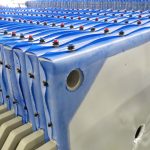
© 2021 M.W. Watermark, L.L.C.
M.W. Watermark is a trademark owned by M.W. Watermark, L.L.C. All rights reserved.

The product names, logos, brand names, and other trademarks listed above are the intellectual property of their respective trademark owners; M.W. Watermark is not affiliated with such trademark owners in any way.

Shorter Lead Times Available on Custom Filter Plate Orders

Get Back Up and Running Faster. Shorter Lead Times on Custom Filter Plate Orders with Our In-House CNC!

M.W. Watermark offers custom order capabilities with in-house CNC (Computer Numerical Control) machining.

Our customers often have special requests for filter press plate dimensions, handle configurations, etc. that are not able to be met with stock plates alone.

By starting with a stock polypropylene filter plate and creating a custom program, we are often able to accommodate these requests without the need for involving a third-party specialty shop.

Also, by keeping customization work in-house, we are able to reduce lead times and help our customers get their filter presses back in operation more quickly.

M.W. Watermark In-House CNC

Visit our Filter Plates webpage to watch a video of our CNC machining a custom filter plate.

Video: M.W. Watermark In-House CNC Machining a Custom Filter Plate

Contact M.W. Watermark to learn more about custom filter plates for your filter press.

About M.W. Watermark

M.W. WATERMARK wants to make a difference. We are passionate about the world’s water. We are innovative, focused on customer service and always try to exceed expectations. We are an environmentally conscious company with people who are energized, encouraged and inspired to make a difference on our planet by helping to keep our shared, finite water supply clean and usable for generations to come. We build amazing, custom water and wastewater treatment equipment. Together, we can make a difference.

© 2021 M.W. Watermark, L.L.C.
M.W. Watermark is a trademark owned by M.W. Watermark, L.L.C. All rights reserved.

The product names, logos, brand names, and other trademarks listed above are the intellectual property of their respective trademark owners; M.W. Watermark is not affiliated with such trademark owners in any way.

Responsible Treatment of Hydrocarbon Production Waste

As oil and gas industries continue production and eco-awareness grows, the need for adequate byproduct disposal arises. Drilling and fracking as a means of resource extraction result in many contaminated byproducts. One such side effect is produced water, or the mixture of water, hydrocarbons, gasses, naturally occurring radioactive materials, and other chemicals. Produced water treatment companies provide services and equipment for the recycling or disposal of this water.

Produced Water Treatment Companies - M.W. Watermark - Filter Presses

Mother Earth’s Sources

Water is commonly found in drilling and hydraulic fracturing sites. Liquids are trapped in the sedimentary rock found around the reservoir. Likewise, liquids are condensed via gas production. In injection wells, water, steam, and other chemicals are pumped into the ground to increase production. The physical and chemical properties of the solutions that produced water treatment companies seek to purify differ according to several factors. The makeup of the fluid can vary depending on its geographical location or the geology of the reservoir.

Standard Refining Methods

Techniques also differ in the treatment process. These include filtration, absorption, and oxidation among others. Filtering the liquid using sand or anthracite coal is an energy-saving option. Filter presses, machines which separate solids from liquids using pressure filtration, can be utilized for this purpose. Contrarily, absorption uses zeolites or organoclays to decrease impurities. Chemical use is minimal but the media used to absorb is commonly consumed and compromised. Oxidation, although costly, uses chemicals such as chlorine to remove both organics and inorganics. Flotation and evaporation are also among the multiple other methods that exist. Technology and research in this field of study add to the future of the industry.

Responsible Disposal

Produced water treatment companies focus their efforts based on the method of disposal or the recyclable possibilities. Considered industrial waste, the byproduct, or cleaned water, is subject to strict regulation by governing authorities. Many sites dispose of this byproduct in the sea, evaporation ponds, or wells. Pumps from the filtering process can also push the clean water back into the production or injection process.

Produced water treatment companies, through various methods and technologies, repurpose the planet’s most valuable natural resource. As the petroleum and gas industry provide energy to people across the world, preserving the environment is a top priority.

Contact M.W. Watermark to learn more about equipment for treating produced water.

About M.W. Watermark

M.W. WATERMARK wants to make a difference. We are passionate about the world’s water. We are innovative, focused on customer service and always try to exceed expectations. We are an environmentally conscious company with people who are energized, encouraged and inspired to make a difference on our planet by helping to keep our shared, finite water supply clean and usable for generations to come. We build amazing, custom water and wastewater treatment equipment. Together, we can make a difference.

© 2021 M.W. Watermark, L.L.C.
M.W. Watermark is a trademark owned by M.W. Watermark, L.L.C. All rights reserved.
Any third party trademarks referenced on this site are the trademarks of their respective owners, and M.W. Watermark makes no claim to such marks and is not affiliated with such companies.