
To deliver the raw materials many industries depend on, mining companies must generate a substantial volume of wastewater that has the potential to contaminate our soil and water. Fortunately, through the help of filtration equipment, like that produced by M.W. Watermark™, the mining industry has been able to adopt more eco-friendly practices. And beyond filtration’s support for greener mining, the financial and legal benefits of filtration technology can’t be denied. Learn more about some of the top benefits of filtration for the mining industry below.
(more…)
Water Filtration and Reuse in the Concrete Industry
Over the past 15 years, M.W. Watermark™ has seen the need for concrete wastewater recycling technologies grow firsthand. As environmental regulations and overheard costs continue to place pressure on ready-mix concrete companies, more and more of them consider wastewater management not just a priority, but a necessity. From cleaning the inside of a concrete truck’s drum to concrete coring, floor polishing, cutting, grinding and more, wastewater treatment equipment, including filter presses, are now being used for numerous applications within the industry.
(more…)
Best Practices for Dealing with Swarf Slurry in Glass Fabrication
Swarf slurry, the semi-liquid mixture left behind after the glass fabrication process, presents challenges for shops. It can’t simply be dumped due to strict EPA regulations, nor can it be reused until it’s been properly treated.
After many years of solid-liquid separation experience across multiple industries, including glass fabrication, M.W. Watermark™ has developed a system for dealing with glass wastewater that benefits shops in more ways than one.
(more…)
Mining Filter Plates: Repair vs. Replace
Should You Repair or Replace Your Mining Filter Plates?
A functioning filter press is absolutely essential for the mining of metallic ores and precious metals. If even one component, like the filter plates, isn’t working correctly, contaminants can be allowed to enter our supply of fresh, clean water and soil. These contaminants may include everything from heavy metals and acids to salt and oils, all of which can lead to serious environmental and health consequences. So if an issue does arise with the filter plates, it’s important to address it quickly and correctly.
M.W. Watermark™ offers a wide range of knowledge and expertise on filter press technology and is one of the leading suppliers of filter press plates and other parts. Here are some tips on how to decide whether you should repair or replace your mining filter plates.

Produced Water: Understanding Fracture Fluid
A Closer Look at the Fluid Utilized in Hydraulic Fracturing
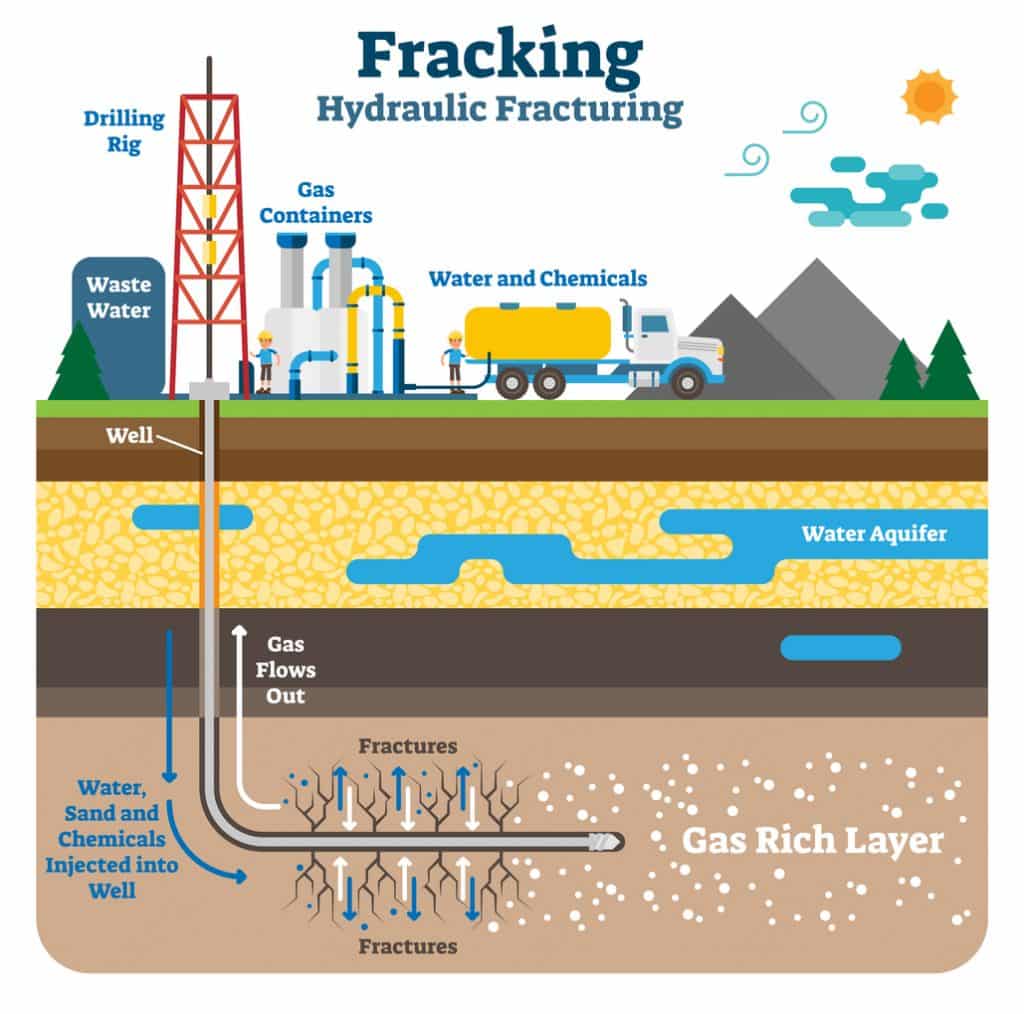
Fracture fluid is used during hydraulic fracturing to create thin hairline fissures in shale rock, through which natural oil and gas can be extracted. This fluid is often a mixture of water, sand and additives specially formulated to keep the cracks open and to transport the proppant successfully. Eventually, this fluid makes its way back to the surface, bringing several contaminants with it. From there, it can be either recycled with the help of filtration equipment from M.W. Watermark™, or disposed of in an environmentally safe way.
Common Filter Press “Filtering” Issues and Solutions
Are You Experiencing Any of These Common “Filtering” Issues?
Evaluating Worn or Damaged Filter Plates
Filter plates are among the most important components of a filter press. To maintain peak levels of efficiency and avoid failure, the plates need to be inspected regularly for signs of wear or damage. To help you evaluate the state of your plates, M.W. Watermark™ offers some advice below. If you have any questions about a specific model or problem, contact one of our factory-trained service technicians for personalized assistance.
How to Select the Proper Filter Cloth for Your Application
Filter Press Cloths – Overview
Filter cloths come in many shapes, sizes and fabric types. Filtration results can vary depending on the type of cloth being used.
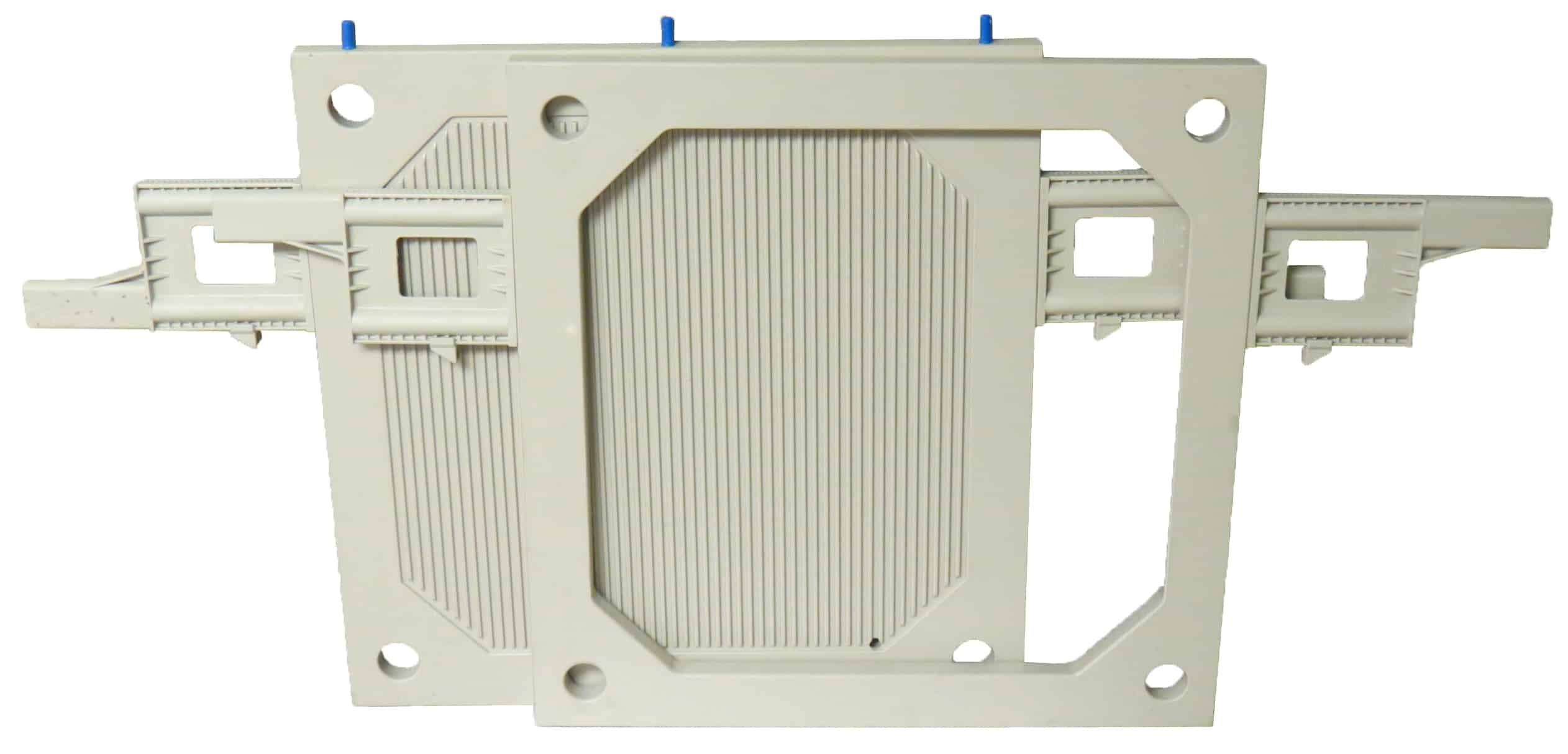
Shown below is a typical Non-Gasketed (NG) design cloth on top along with a Gasketed (CGR) design cloth on the bottom.
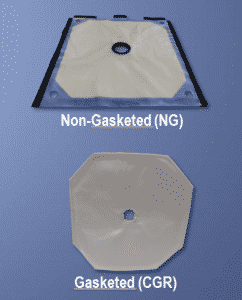
M.W. Watermark manufactures these designs along with others like the drape over, half cloth, backing cloth and most other types.
Matching the most appropriate filter cloths for a given project requires knowledge of the design needed as well as the process application.
Filter Cloth Selection
Determining the proper cloth construction requires knowledge of the slurry characteristics and the filtration requirements. Below are some of the factors we consider in the filter cloth selection process.
(more…)
Wastewater Contaminants in the Food Industry
While most industries must find solutions for the problem of wastewater production, the food industry is consistently one of the top sources for industrial wastewater. Not only is a large volume of wastewater generated by the production and processing of food, but this water typically contains a high contaminant load that could potentially damage receiving waters, such as nearby rivers, lakes and streams. Additionally, there are many contaminant variables within the food industry, from dairy production to oil and fat processing, which pose unique challenges for wastewater treatment.
To ensure all pollutants of concern (POC) are removed from food industry wastewater before its discharge, M.W. Watermark™ is prepared to help with our line of wastewater treatment equipment and technology.

Recycling Wastewater in Stone Finishing
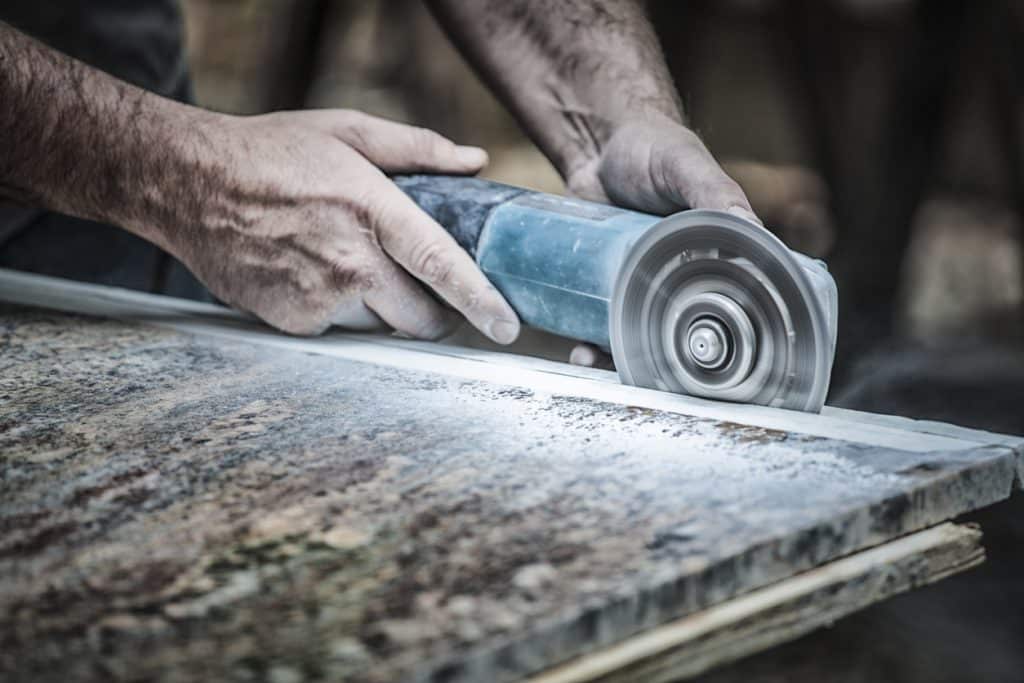
For industries like stone fabrication and mining that generate massive volumes of wastewater, recycling becomes critical. As we’ve learned from companies that failed to reuse wastewater in the past, it’s all too easy for the threat of legal and environmental consequences to become a reality. Luckily, M.W. Watermark™ can provide the wastewater equipment and solutions these industries need in order to avoid the legal, environmental and other issues that arise from a failure to recycle wastewater. Read on to learn more about the top three consequences of unrecycled wastewater from stone finishing, mining and other similar projects.
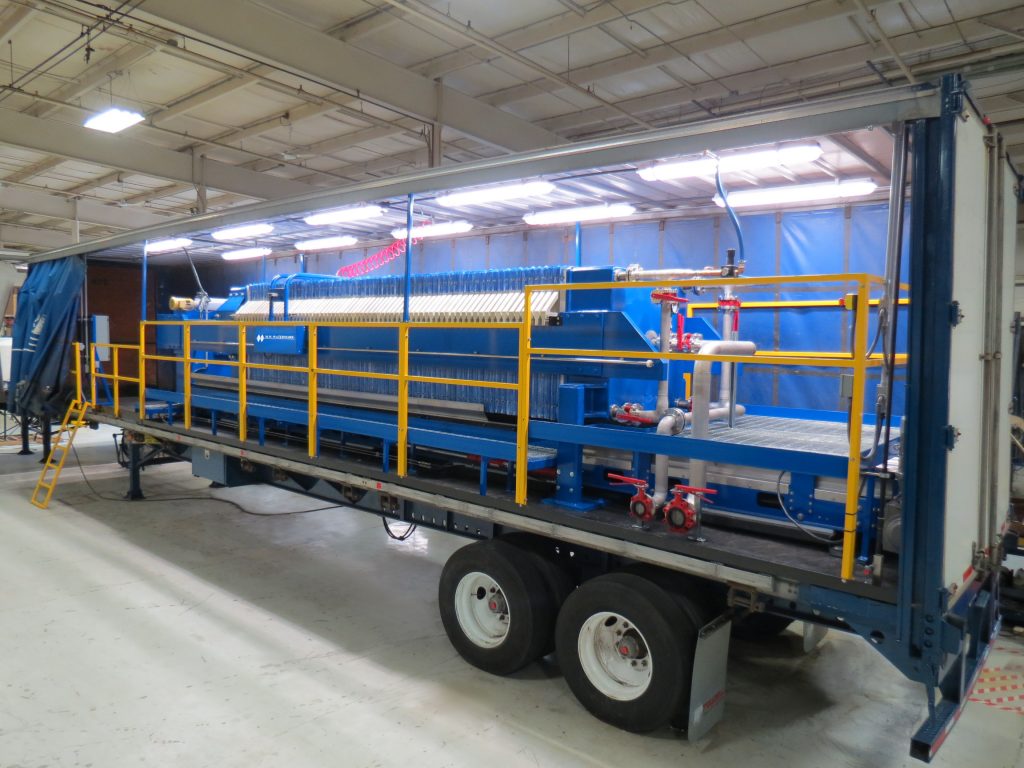
Advantages of Mobile Filter Presses
Considering a Trailer-Mounted Filter Press?
Here are a Few of the Benefits…
At M.W. Watermark™, we strive to accommodate the unique needs of our customers and their jobsites. That’s why we make custom filter presses with many optional features. One of those optional features is portability. When customers come to us looking for something that can be easily moved from one location to the next, we immediately recommend our mobile filter press units – for purchase or rental. They’re just as capable of filtering large amounts at high speeds as any of our filter presses, but they have the added benefit of being able to do it in remote locations.
The Importance of Water Recycling and Filtration in Glass and Stone Fabrication
Glass and stone fabrication processes both generate a large volume of wastewater. Glass and stone fabricators are finding that they need to recycle and filter their wastewater for many of the same reasons.

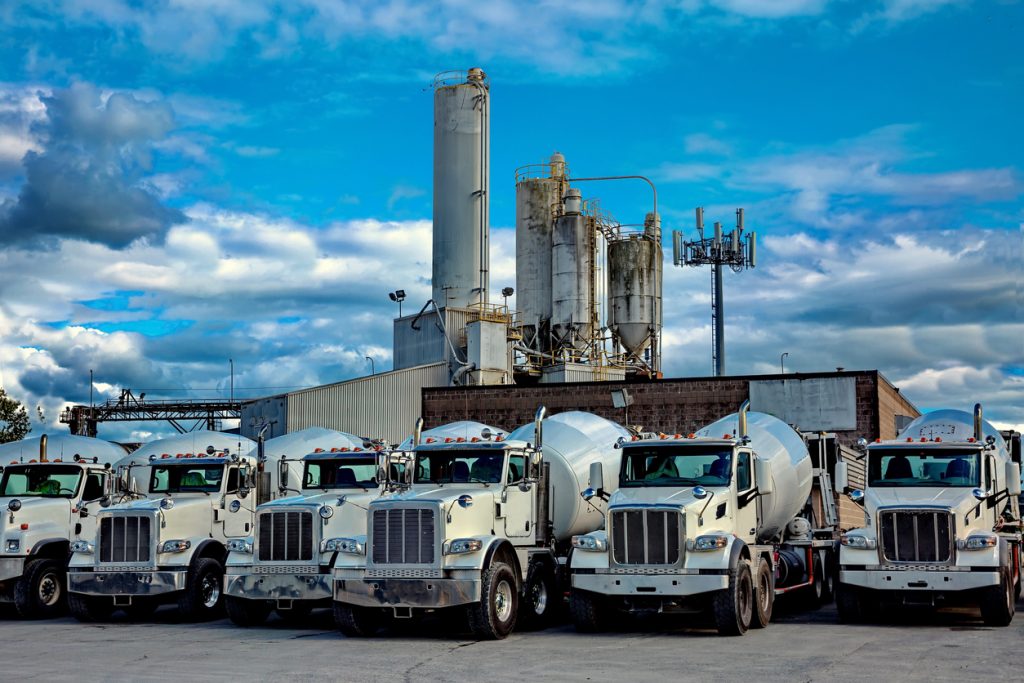
How Concrete Wastewater Can Be Recycled
More and more industries today are looking for opportunities to practice sustainability, and the concrete industry is leading the way. Concrete manufacturers, specifically those who make ready-mix concrete, are actually moving towards becoming zero-discharge facilities. A large amount of water goes into concrete processing, but instead of letting it go to waste, it’s being recycled and reused for a variety of different applications. As M.W. Watermark™ continues to supply the concrete industry with custom wastewater treatment equipment, we see firsthand some of the top ways water is being reused.
Filter Cloths 101: Common Fabric Types
The Importance of Selecting the Appropriate Fabric Type for a Given Application

Filter press cloths can be manufactured from many types of materials including polypropylene, polyester, cotton, nylon and felt. Fabrics are usually selected based on the nature of the slurry being dewatered in a given application. Because filter presses are used across a wide range of industries, the characteristics of the suspended solids in a slurry can range from oily to fibrous to highly abrasive. The pH and temperature can also greatly vary.
The most common filter cloth materials are described below.
(more…)
Benefits of Wastewater Staff Training and Other Field Services
There’s no denying that wastewater treatment equipment can be fairly complex, which makes it essential for equipment operators to know the ins and outs of every piece of machinery they’re required to use. This may require training for best results. Keep reading, and we’ll explain why you should consider professional field training services for your wastewater staff.
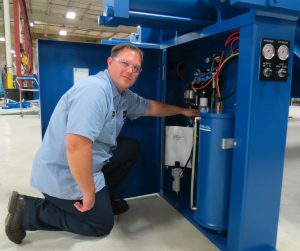
Why Choose Staff Training from M.W. Watermark™?
M.W. Watermark’s time-tested professionals are fully equipped to train your staff on the use of your business’s wastewater treatment equipment. But what is it that makes M.W. Watermark’s training services worth the investment? (more…)
Plate and Frame Filter Press vs. Recessed Chamber Filter Press
Plate and Frame
What is a Plate and Frame Filter Press?
Plate and frame filter presses have been used for many years, and predate the recessed chamber filter press, which is the type that most people think of today when they hear the term “filter press”. Although recessed chamber presses are now more of the norm, the plate and frame design has some advantages with certain applications and is still used today.
Filter Cloths 101: Common Weave Patterns
The most common filter cloth weave patterns are plain, twill, and satin.
In addition to selection of filter cloth materials, weave patterns can be a critical factor affecting filter cloth performance. Weave patterns are recommended based on the nature of the slurry being dewatered, and can affect a cloth’s strength, resistance to acid and alkaline environments, ease of cake release and resistance to blinding.
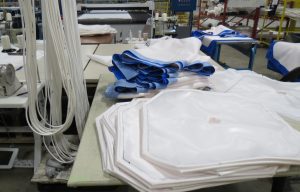
What is meant by Warp and Weft?
Signs Your Filter Press May Need Service
Does My Filter Press Need Service?
The filter press is a complex piece of machinery, and even with the proper maintenance, it’s still likely that your press will eventually need service. Ensuring your filter press receives the service it needs is essential in maximizing its life and streamlining your operation’s filtration efficiency. Not certain if your press needs service? Read on to learn more.
(more…)
Options for Filter Cloth Attachment to Filter Plates
Filter cloths are the foundation to the solid/liquid separation process. It is the filter cloths that allow a filter cake to build up, and the the filter cake itself that ultimately does most of the dewatering. Therefore, it is imperative that the filter cloths are fitting correctly to the filter plates for the best filtration performance from the filter press.
There are two main types of filter plates found in filter presses that require filter cloths to be attached: CGR (Caulked, Gasketed, Recessed Chamber) and NG (Non-Gasketed).
Below we discuss the methods most commonly used for attaching filter cloths to each type of filter plate. (more…)
Your Guide to Recessed Chamber Filter Presses and Filter Plates
Designed for efficient solid/liquid separation, recessed chamber filter presses and filter plates are popular in a wide array of industries, from industrial and municipal wastewater to chemical processing. Learn how these types of filter presses and plates work and their advantages. Then, reach out to a member of our Sales and Service Team here at M.W. Watermark™ to see if a recessed chamber filter press is right for your application.
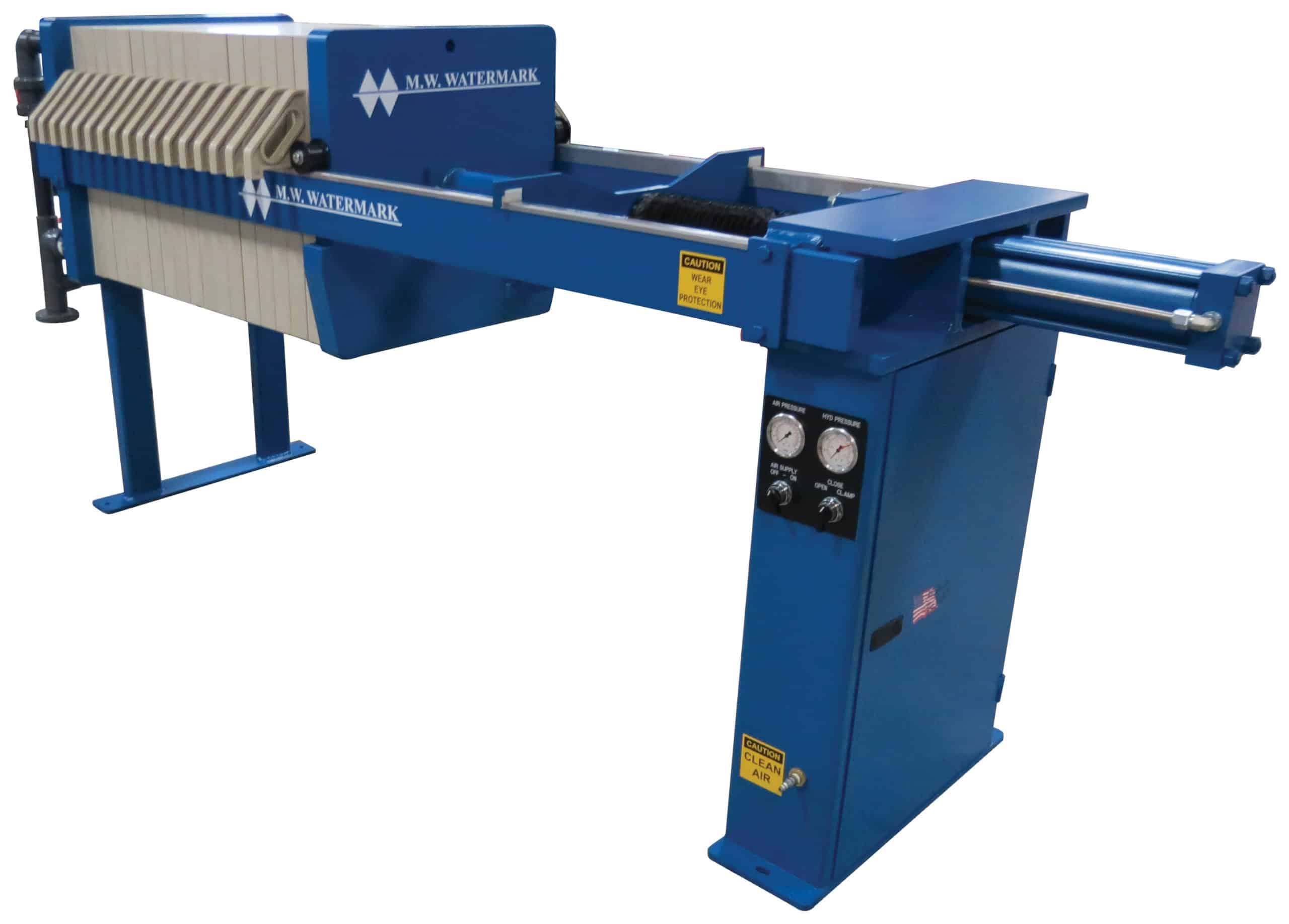
Membrane Squeeze Filter Presses and Filter Plates
Membrane Squeeze Filter Presses and Filter Plates: How They Work and When Best to Utilize
There are three basic types of filter plates used in conjunction with filter presses. They include recessed chamber, plate and frame and membrane squeeze plates.
Membrane squeeze, or diaphragm squeeze, filter plates offer a number of benefits, from time savings to improving the lifespan of the membrane. M.W. Watermark™ offers membrane squeeze filter press/plate solutions to a range of industries. Discover how membrane (diaphragm) squeeze plates work and what advantages they bring to the table.
(more…)
Warranty On Repaired and Rebuilt Filter Presses

Our new filter presses and clarifiers are known for their superior reliability, durability, and ease of use. We stand behind our new, custom-designed and stock equipment. M.W. Watermark™ also offers used and rebuilt filter presses with a six-month warranty. We are proud to warranty these products and guarantee that all refurbishments completed in our state-of-the art facility include a comprehensive quality control check. The following work is performed when rebuilding used filter presses: (more…)
How Is an M.W. Watermark™ Filter Press Used in the CBD Extraction/Purification Process?
Filter presses have been used to separate solids from liquids for hundreds of years in hundreds of markets. In the past few years, processors of CBD (cannabidiol) have learned to use filter presses in a variety of steps in this process.
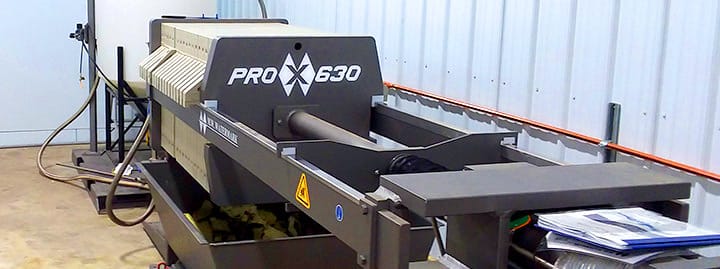
Precoat: What It Is and How to Apply in a Filter Press
The effectiveness of an industrial filter press is often judged based on the clarity of the liquid exiting the filter and how fast the liquid can be filtered. An ideal system filters a maximum amount of impurities while at the same time providing minimum restrictions on flow. Adding a precoat to filtration equipment can greatly improve the clarity of the output without sacrificing flow rate.
(more…)
Governor Whitmer’s Executive Order 2020-21 (COVID-19)
Michigan’s Governor made an historic announcement on 3/23/20, ordering all non-essential businesses to close and for many people to stay home.
What is also part of the order is to be sure that essential businesses remain open and that their essential employees continue to work. M.W. Watermark is considered an essential business according to her guidelines so we will remain open.
(more…)